
Don Magazine
A limited edition print magazine based in Osaka, Japan
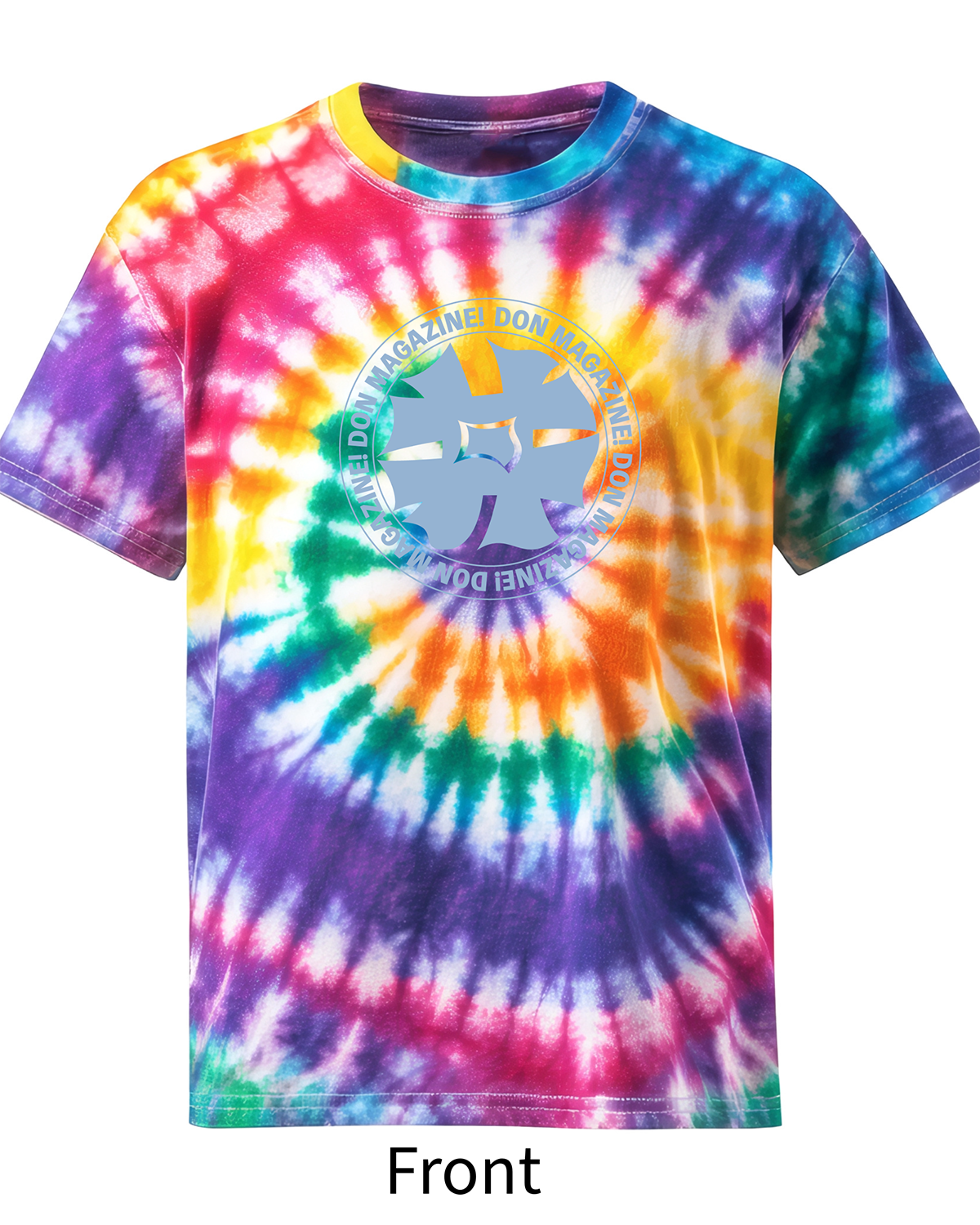
Represent Don Magazine with our original 丼 logo, tie dyed by osaka banshee and hand‑printed by Viva la Mort in Sakai, Japan. This is a PRE-ORDER ITEM: payment will be processed immediately at checkout. Orders are expected to ship on September 15.
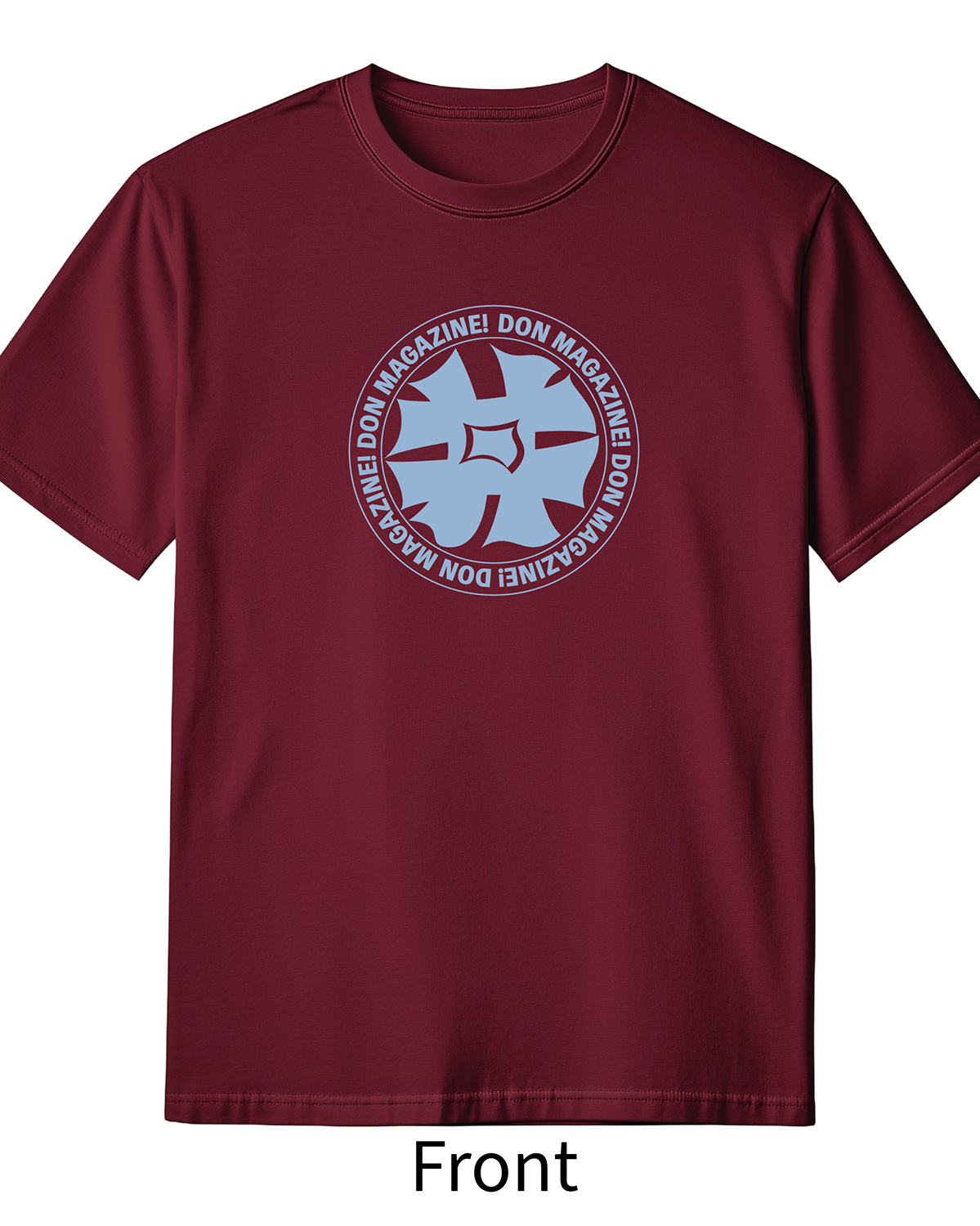
Represent Don Magazine with our original 丼 logo, hand‑printed one at a time in powder blue ink by Viva la Mort in Sakai, Japan.
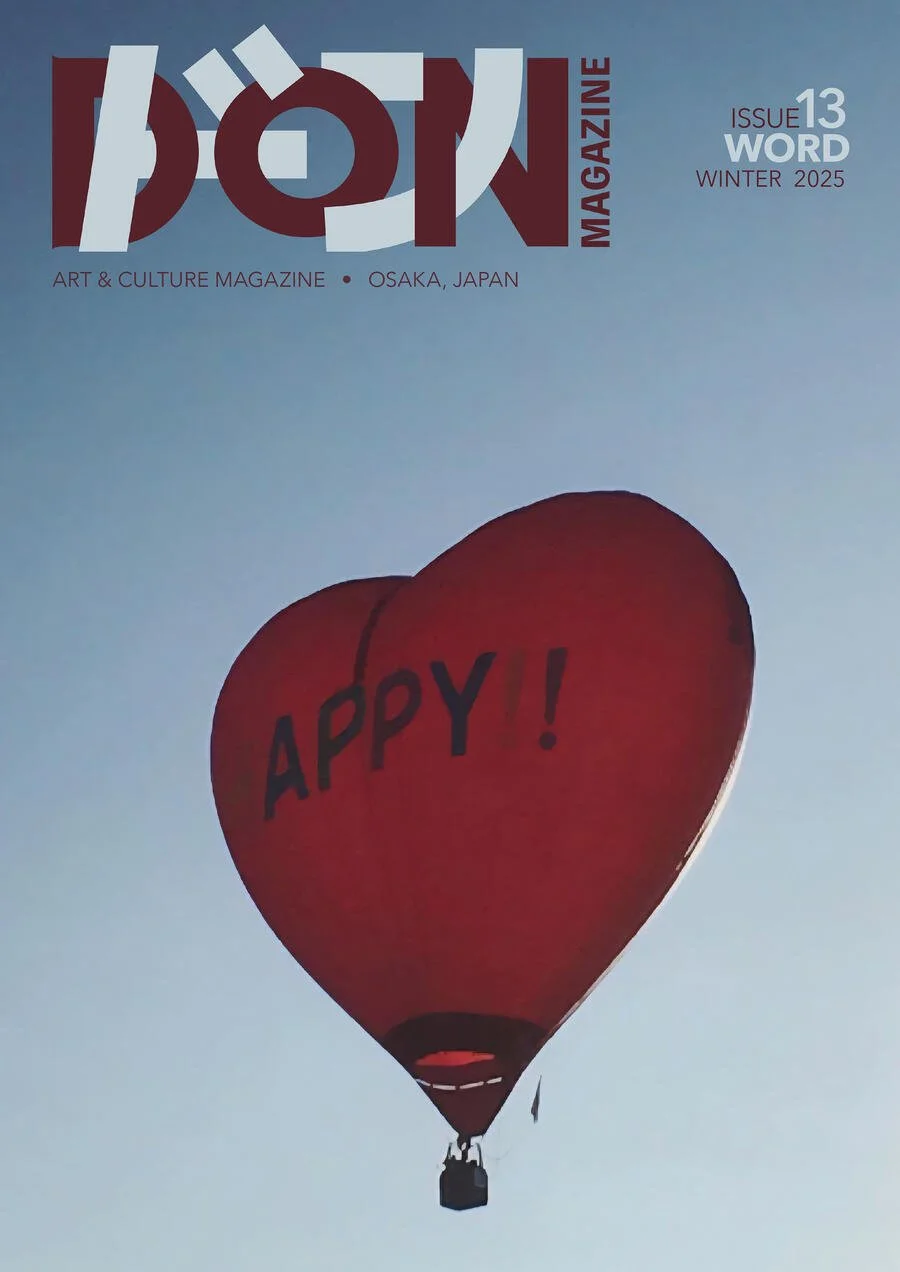
This issue explores WORD as more than text, treating it as something lived, worn, and imperfect. From words on garments to tattoos etched into skin, language moves with us. It shapes how we connect, including the mistakes we make using a second language and the unexpected clarity that comes from a limited vocabulary. Letters of encouragement, notes from editors, and everyday signs telling us how to act reveal its guiding presence. We also consider communication across time—lost languages, publishing books, and what remains when meaning shifts. Through these fragments, language becomes both bridge and barrier, opening space for connection, misreading, and discovery.
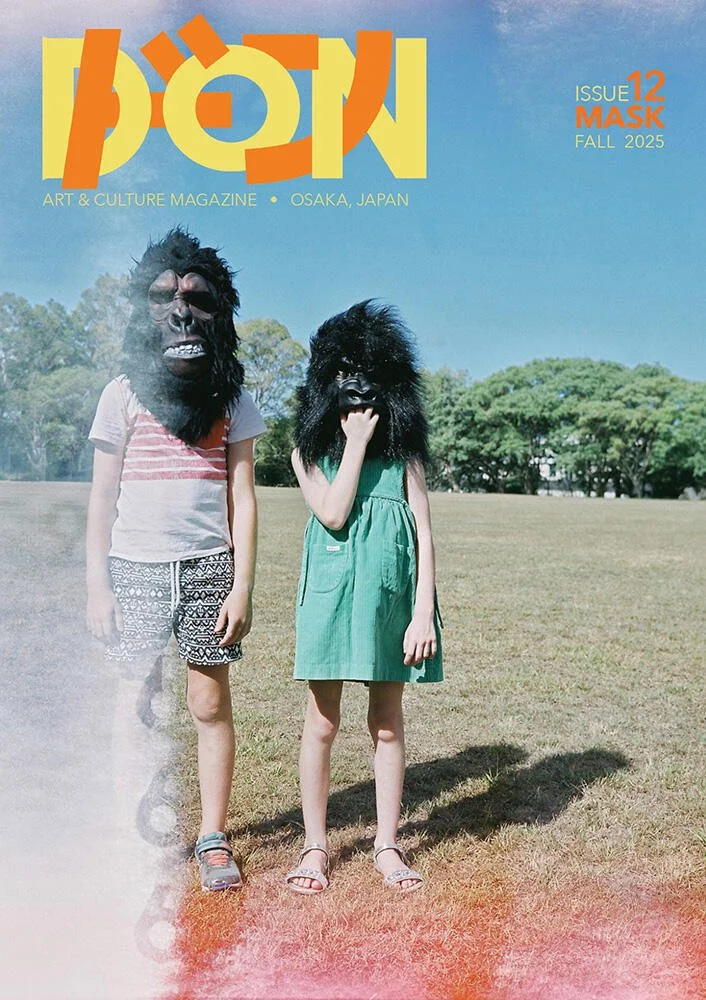
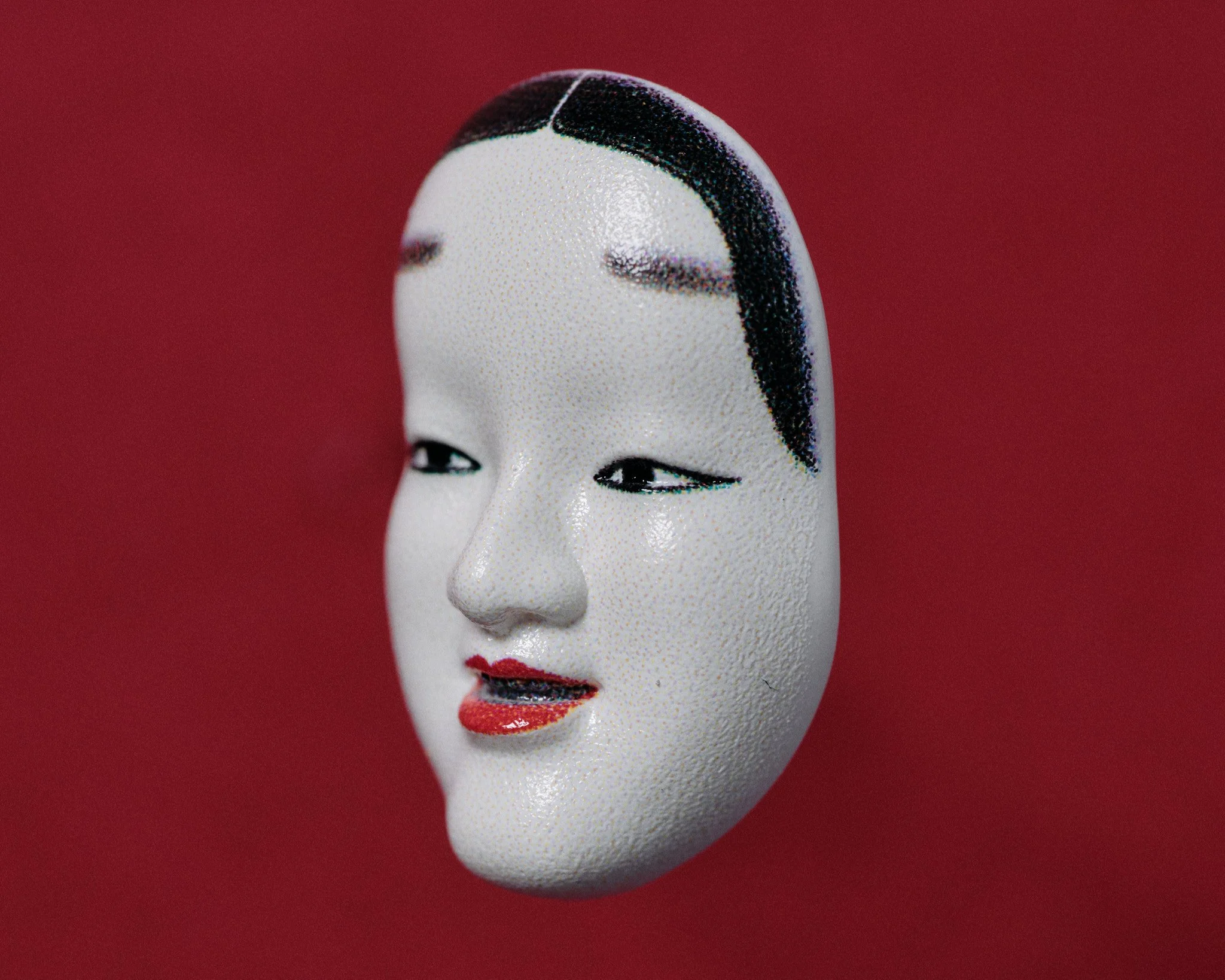
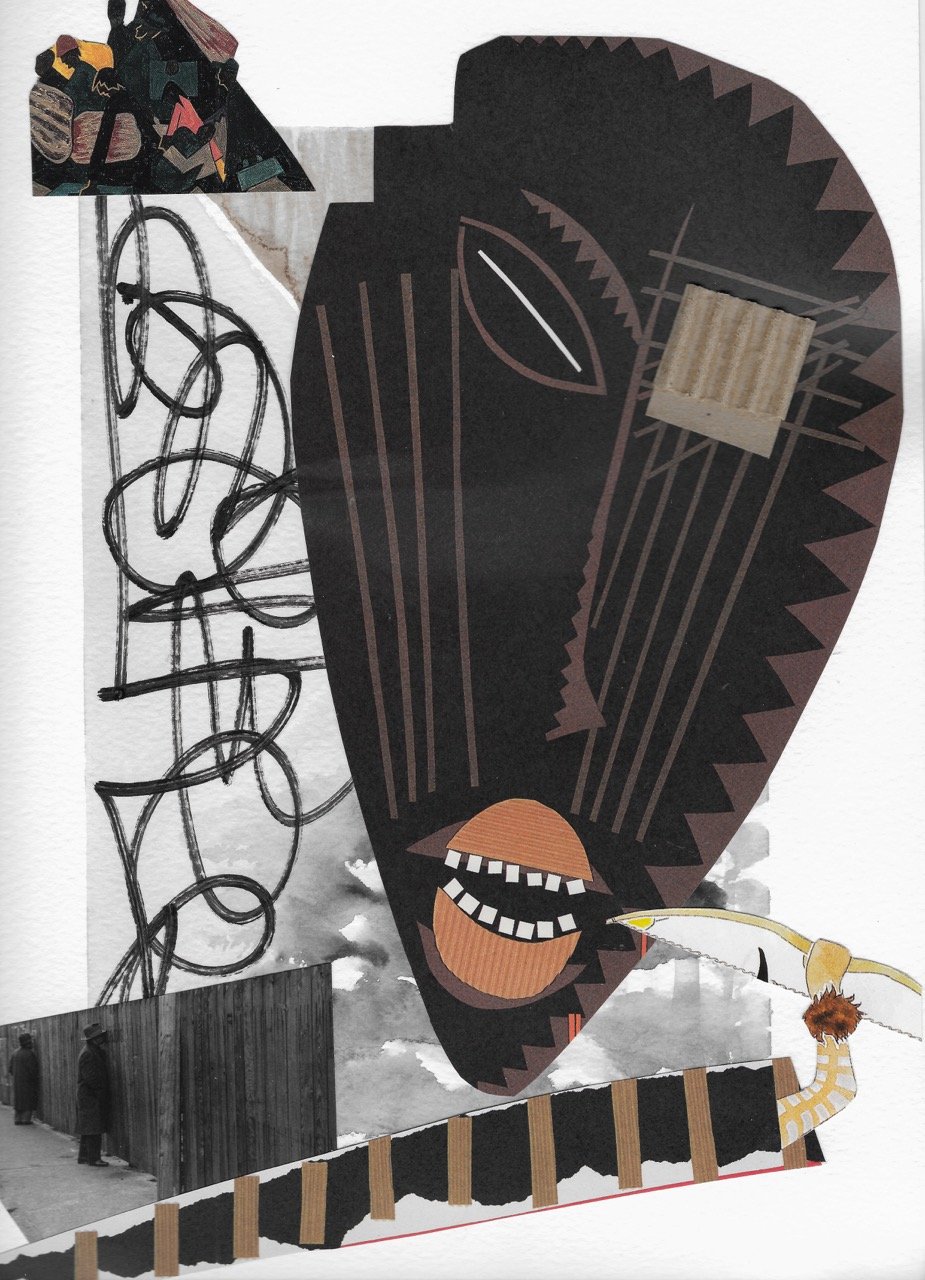
MASK explores masks as symbols of identity, concealment, and expression through art, essays, and photography. A bilingual interview with artist ダンボル (Danbol) anchors the issue, connecting personal and cultural perspectives on the theme.
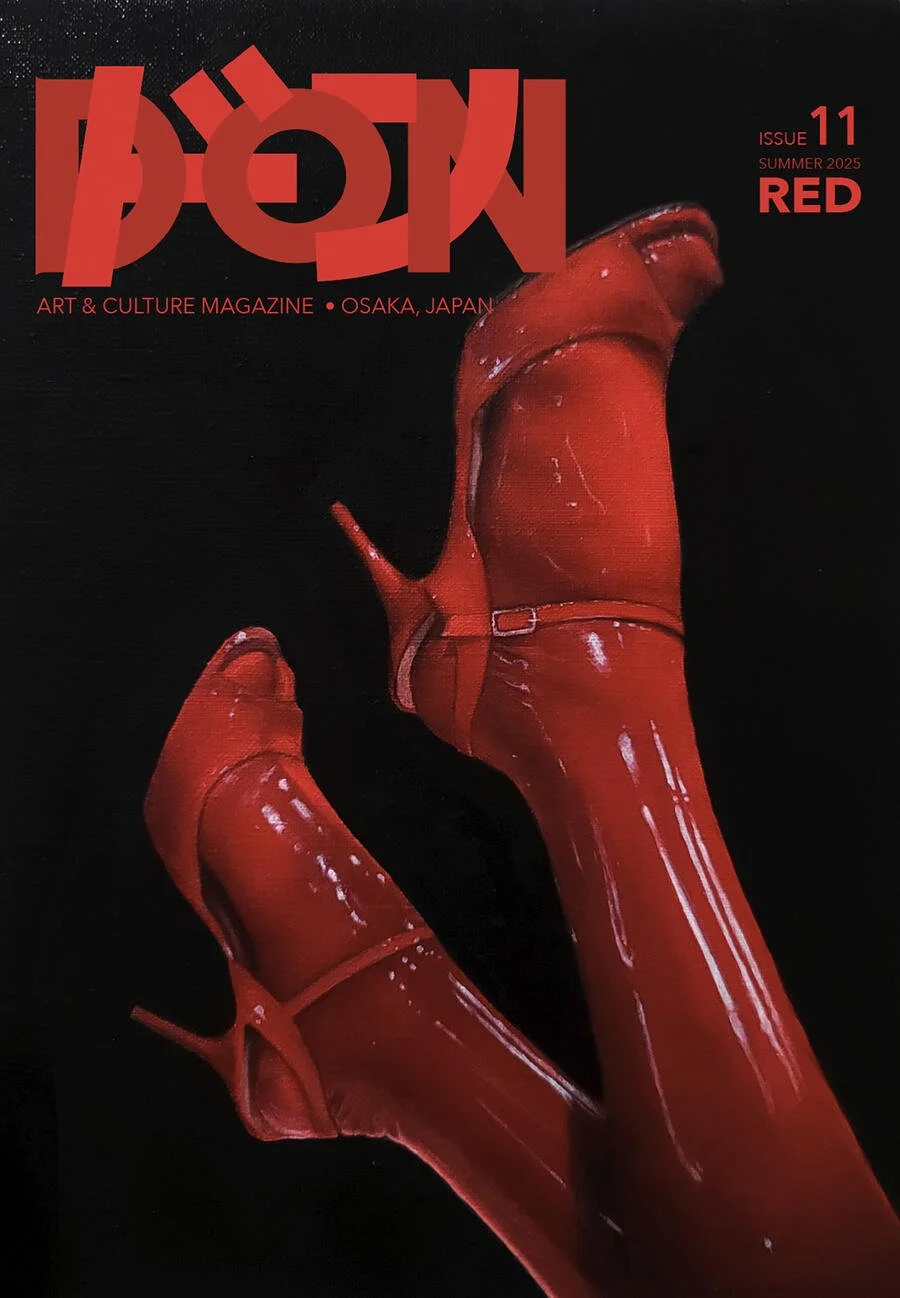
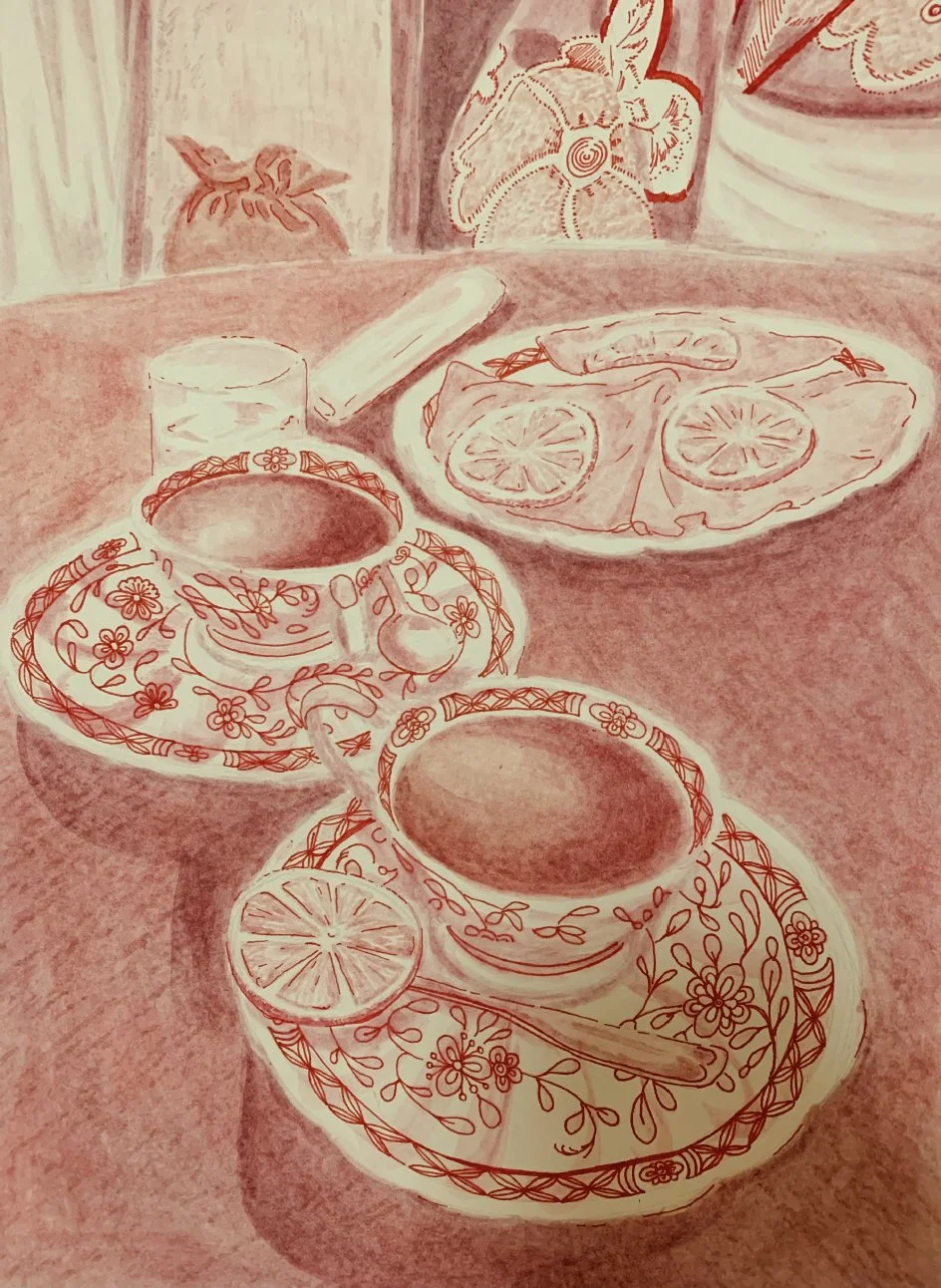
RED explores the color’s power across art, culture, and identity. From bold visual essays and striking photography to essays on passion, protest, and reinvention, this issue invites readers into a spectrum of red — from its visceral impact to its symbolic depths.
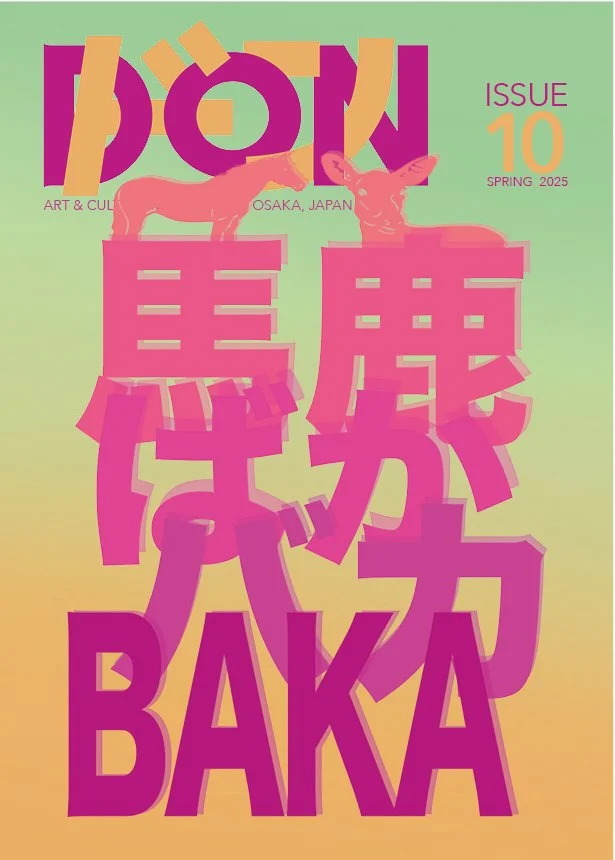
Baka dives into foolishness, play, and beautiful mistakes. Artists from Japan and abroad interpret “baka” not as an insult, but as freedom—embracing absurdity, humor, and the courage to not take everything so seriously. This issue celebrates the kind of stupidity that leads to creativity, risk, and unexpected honesty.
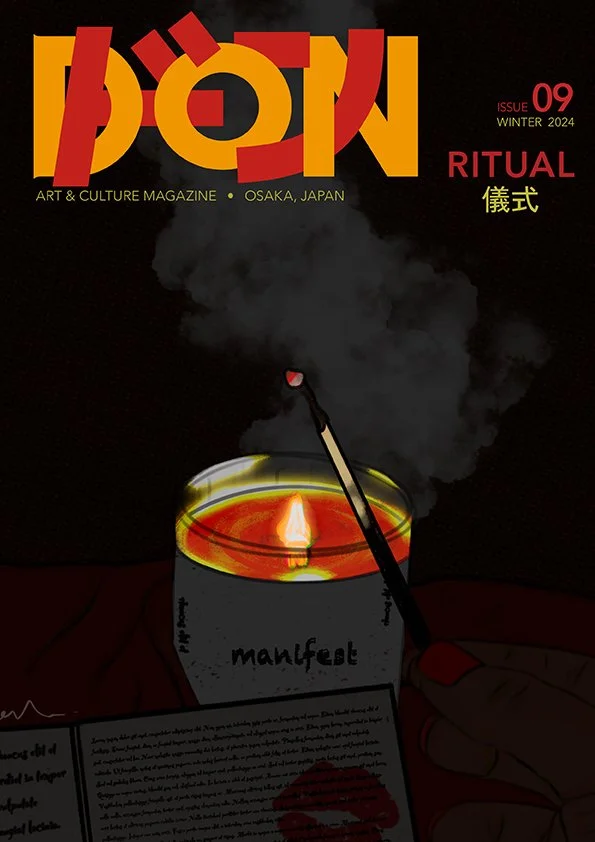
Ritual explores the quiet and the obsessive—the acts we repeat to give shape to belief, habit, and identity. Artists from Japan and abroad respond to ritual both sacred and personal, from inherited traditions to private routines. This issue looks at how repetition, intention, and time transform ordinary actions into something meaningful.
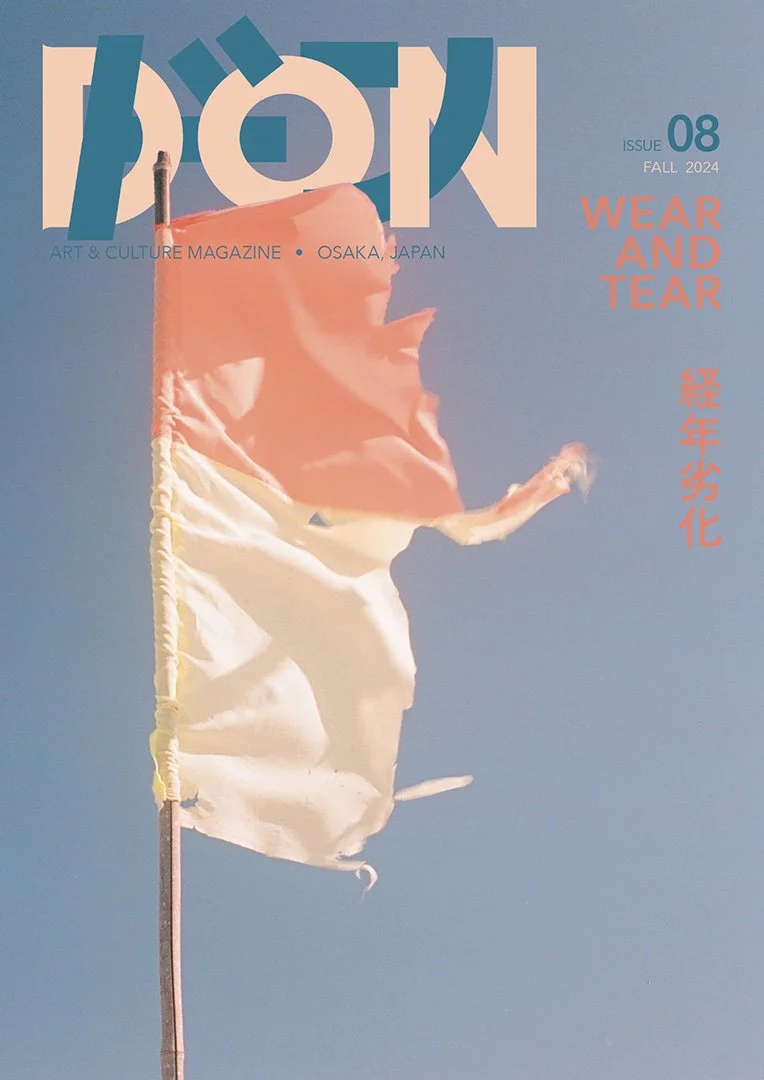
Wear and Tear looks at damage as evidence of living. Artists from Japan and abroad explore aging, use, erosion, and resilience—how bodies, objects, and places are marked by time. This issue finds beauty in cracks, fading, and fatigue, where history is written through use rather than perfection.
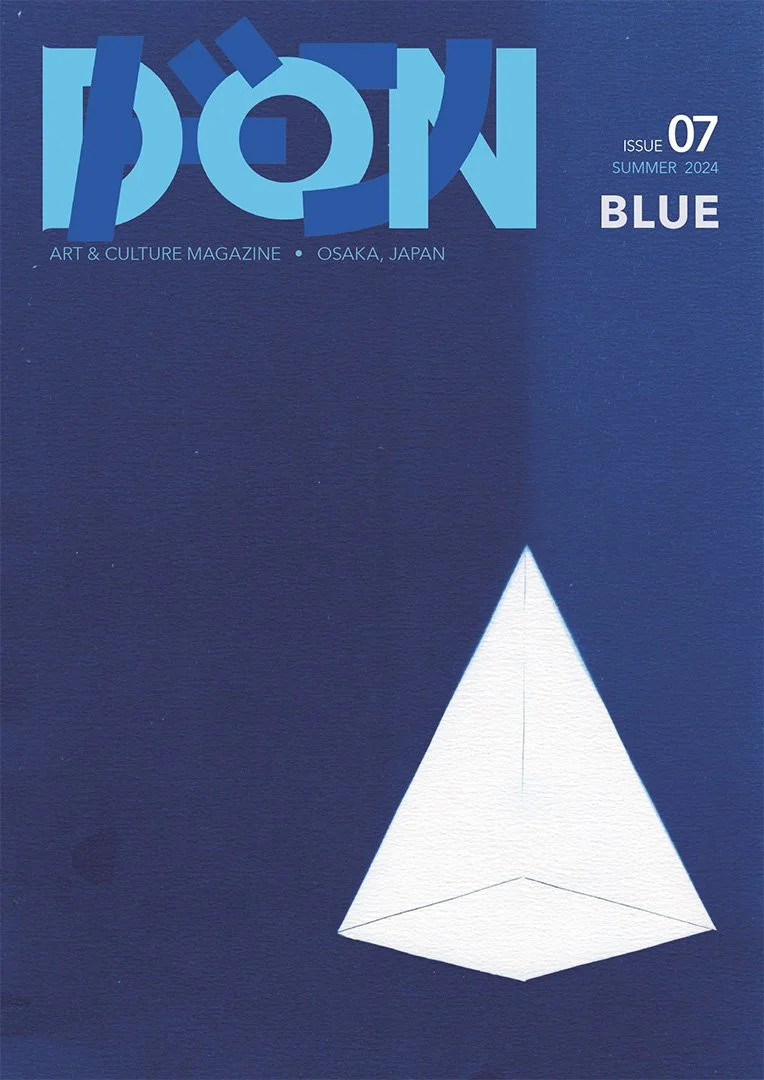
Blue drifts through emotion, atmosphere, and tone. Artists from Japan and abroad interpret blue as color, mood, and metaphor—touching on melancholy, calm, distance, and depth. This issue sits in the quiet space between sadness and serenity, where feeling lingers longer than words.
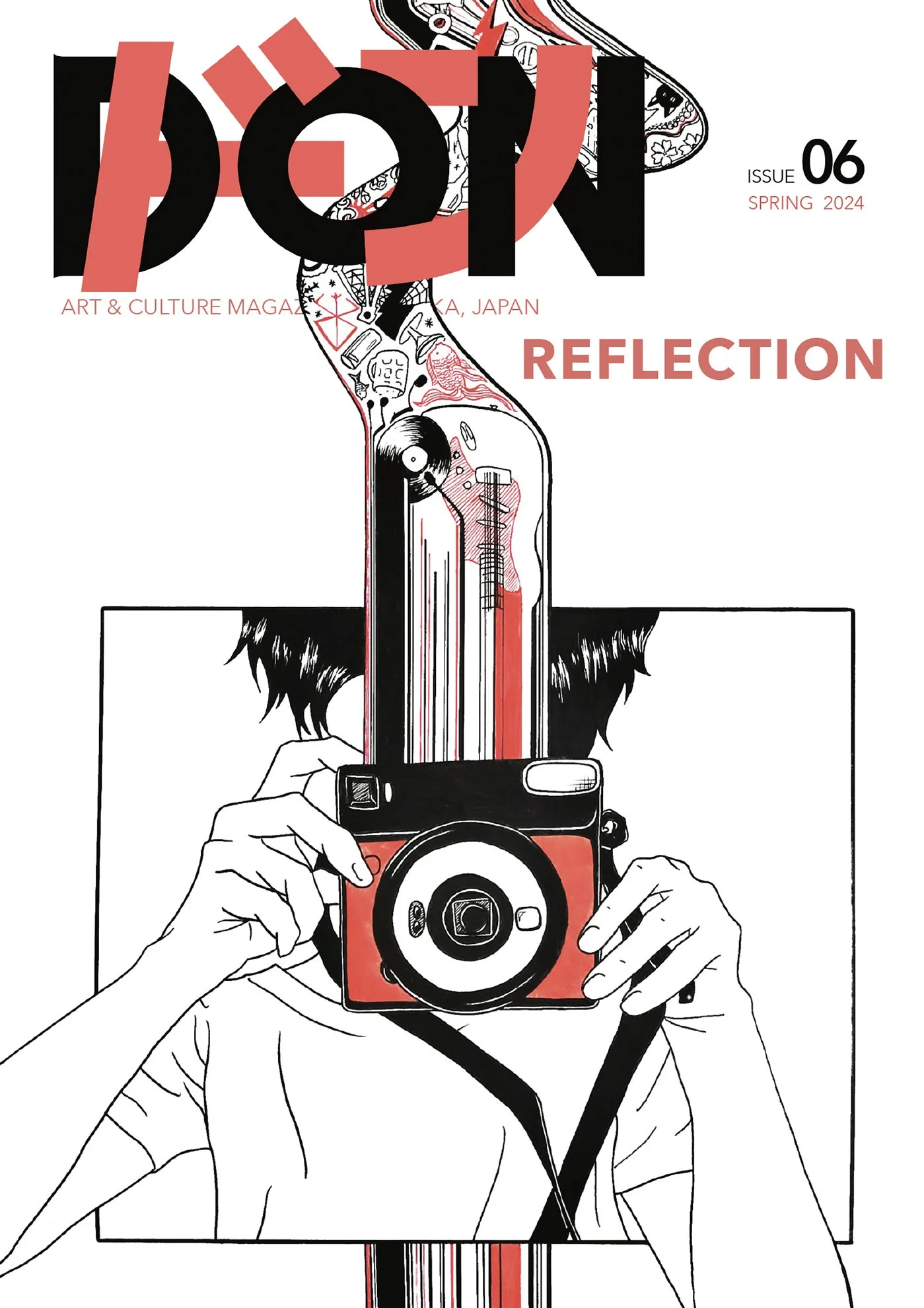
Reflection turns inward and outward at the same time. Artists from Japan and abroad explore mirrors, surfaces, memory, and self-examination—what it means to look closely and be looked back at. This issue considers reflection as both image and process, where seeing becomes a way of understanding.
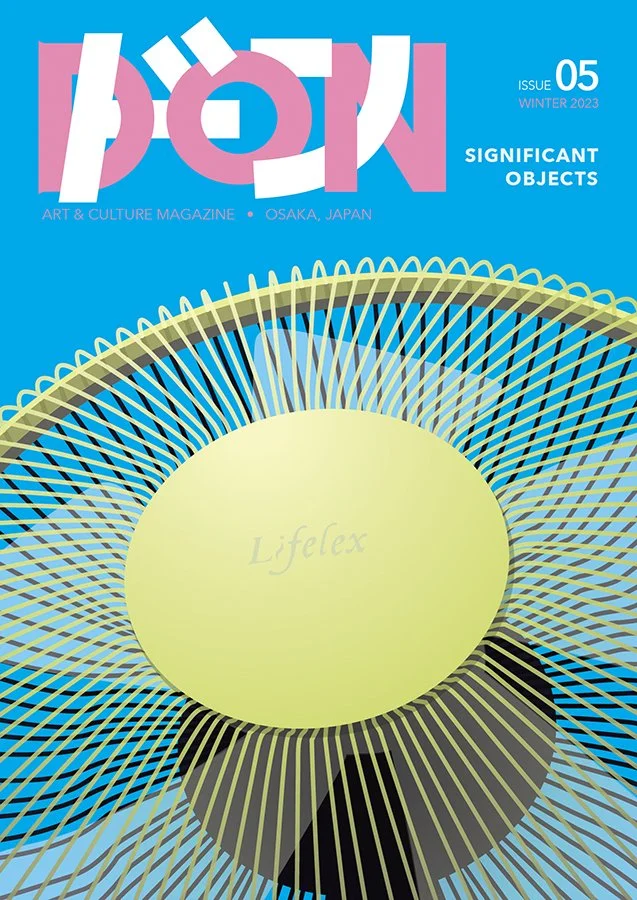
Significant Objects focuses on the quiet power of things. Artists from Japan and abroad examine objects shaped by memory, attachment, and personal history—items that carry meaning far beyond their material form. This issue looks at how everyday things become vessels for emotion, identity, and time.
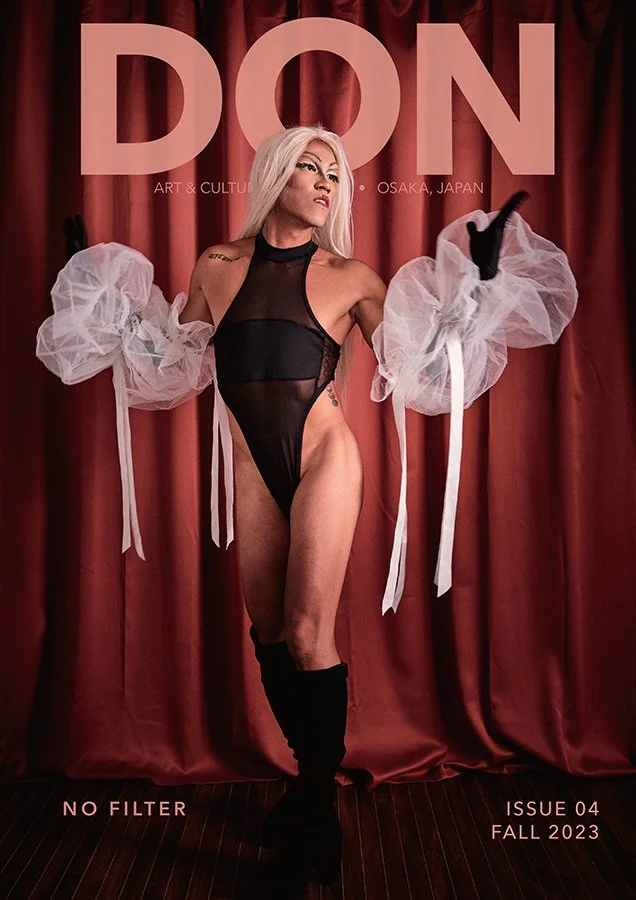
No Filter embraces honesty, exposure, and raw expression. Artists from Japan and abroad strip away polish and pretense, working without masks, edits, or restraint. This issue celebrates immediacy and imperfection—what’s revealed when nothing is softened or hidden.
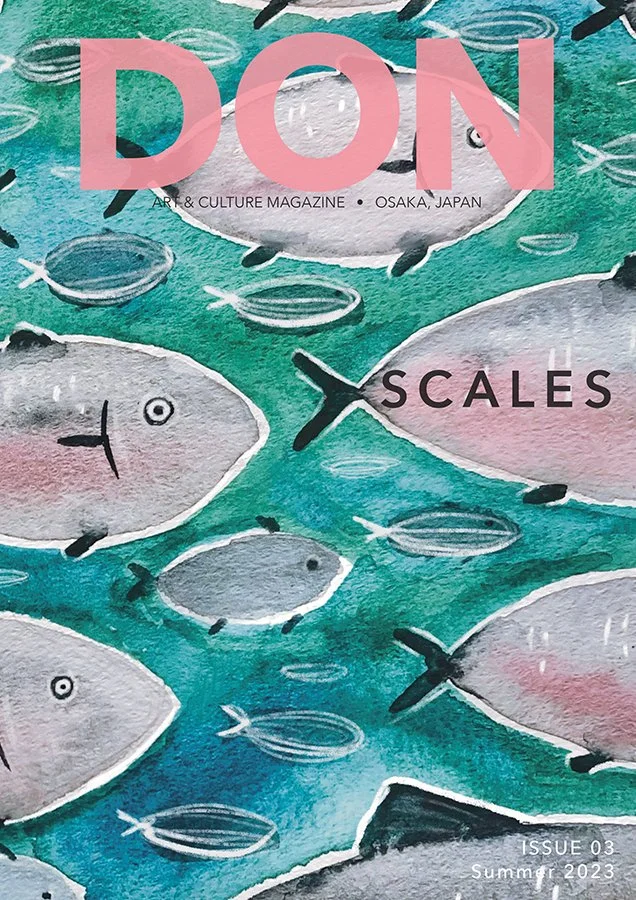
Scales explores balance, measurement, and shifts in perspective. Featuring artists from Japan and around the world, this issue interprets scales across systems of weight, size, and proportion—spanning musical scales, animal bodies, and symbolic measures between the intimate and the vast. It asks how meaning transforms when power, harmony, and viewpoint are altered.
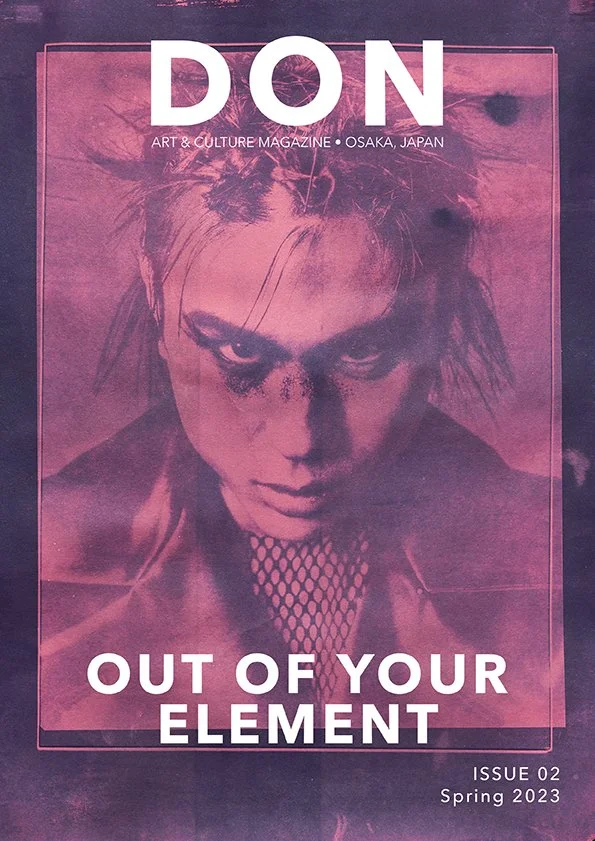
Out of Your Element looks at displacement, discomfort, and transformation. Featuring artists from Japan and around the world, this issue explores moments of being removed from the familiar—geographically, emotionally, or materially. It considers how creativity shifts when balance is lost and new environments force adaptation.
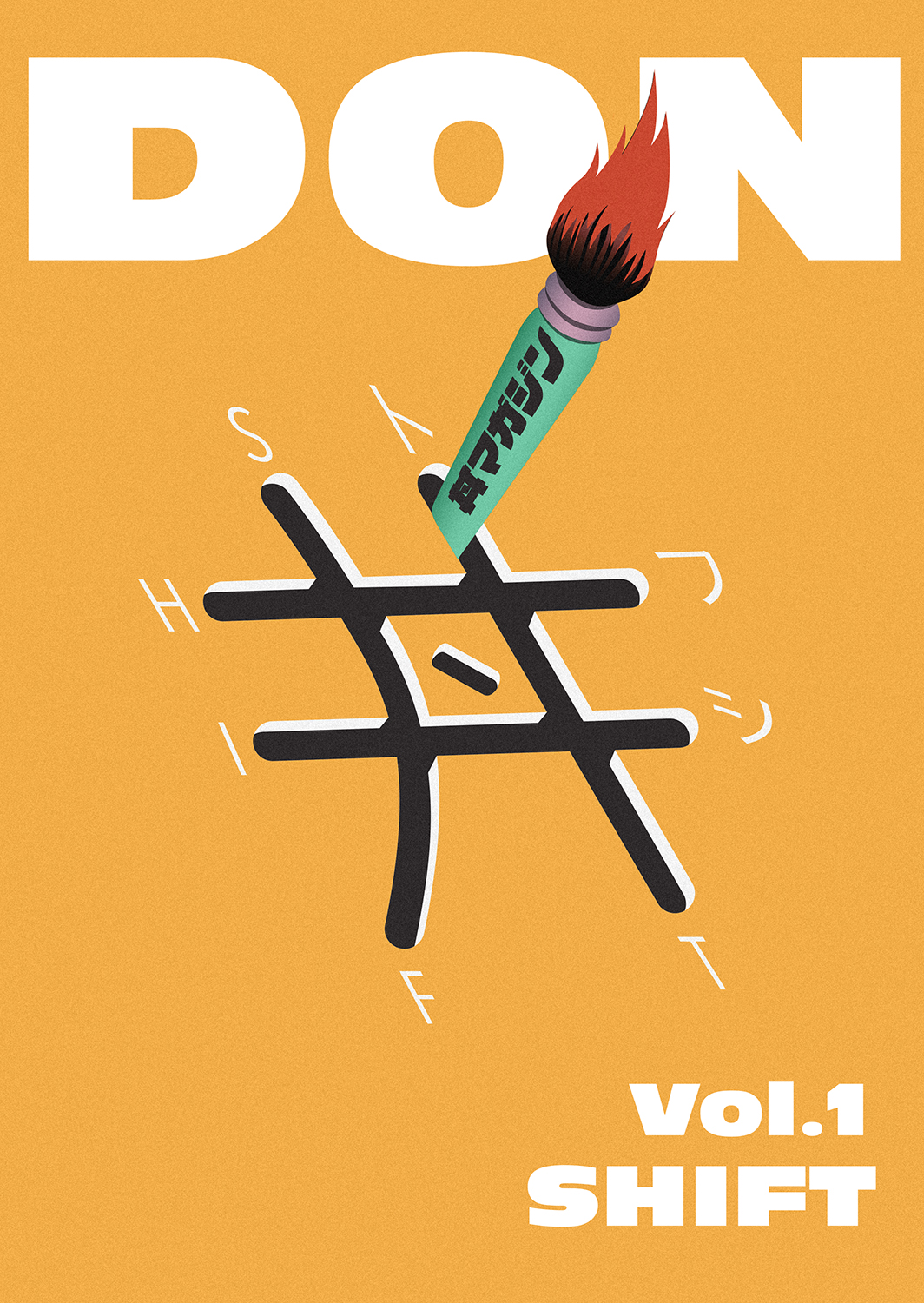
Shift, the debut issue of Don Magazine, sets the tone for change, movement, and transition. Featuring artists from Japan and around the world, this issue explores subtle and dramatic shifts in perspective, identity, and form. It marks a beginning—where small movements lead to new ways of seeing.
We celebrate artists, thinkers, performers, and writers - not necessarily professionals, but individuals compelled to create meaningful work.
Our mission is to cultivate a community that values creativity in all its forms. We provide a platform for emerging and underrepresented voices, foster meaningful dialogue, and encourage curiosity and collaboration across disciplines.
Don Magazine welcomes submissions from Japan and abroad. We are currently seeking contributions in the following areas:
Written Word: fiction, poetry, essays, interviews, and translations
Visual Arts: photography, video, painting, illustration, and digital art
Performance: live acts (music, movement, spoken word, etc.) for our Osaka-based release parties
If you would like to be part of a creative community and share your work with a wider audience, we encourage you to submit.
Upcoming Events

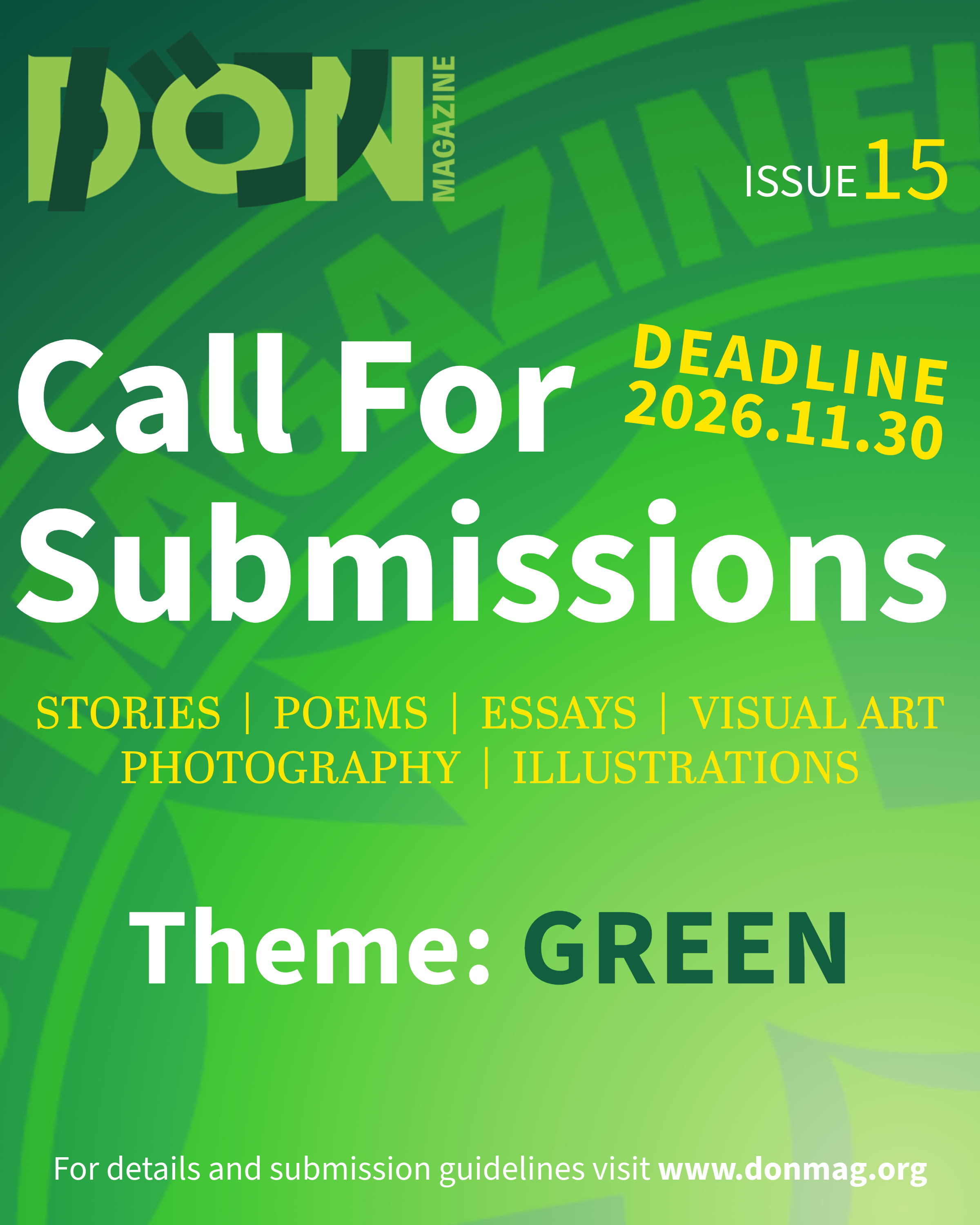
It isn’t easy being green. That's because there are so many different greens. For our upcoming issue, Don Magazine is exploring this vibration in the middle of the spectrum. Whether you are a greenhorn just starting out or a seasoned veteran with a lifetime of experience, we welcome artists of all backgrounds and disciplines to submit their work. We are officially giving you the green light to show us your best work inspired by the theme Green.
Features
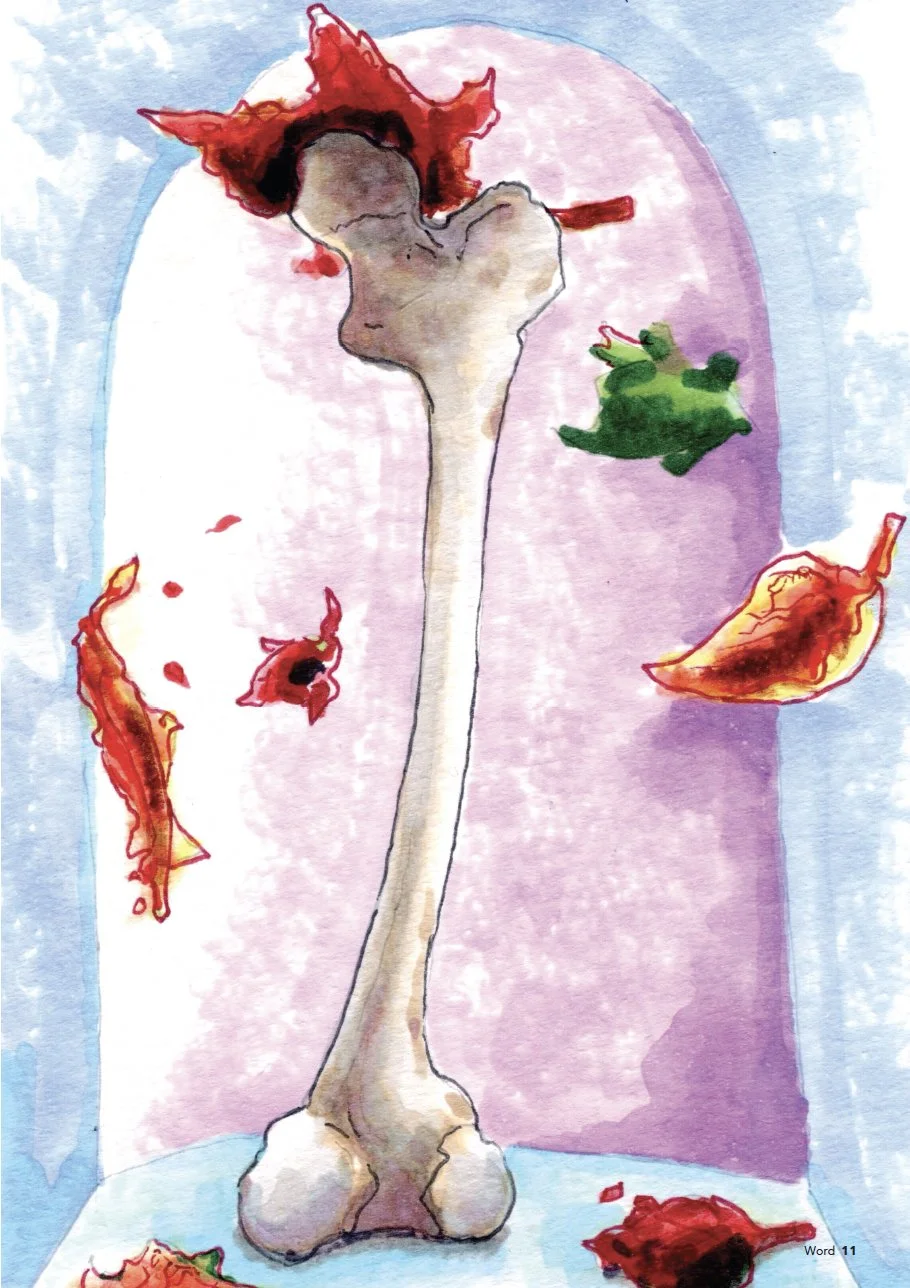
When I die, steal my bones
and give some to Ophelia
so she can weave them
through her hands
like ashy-fragile pansies.
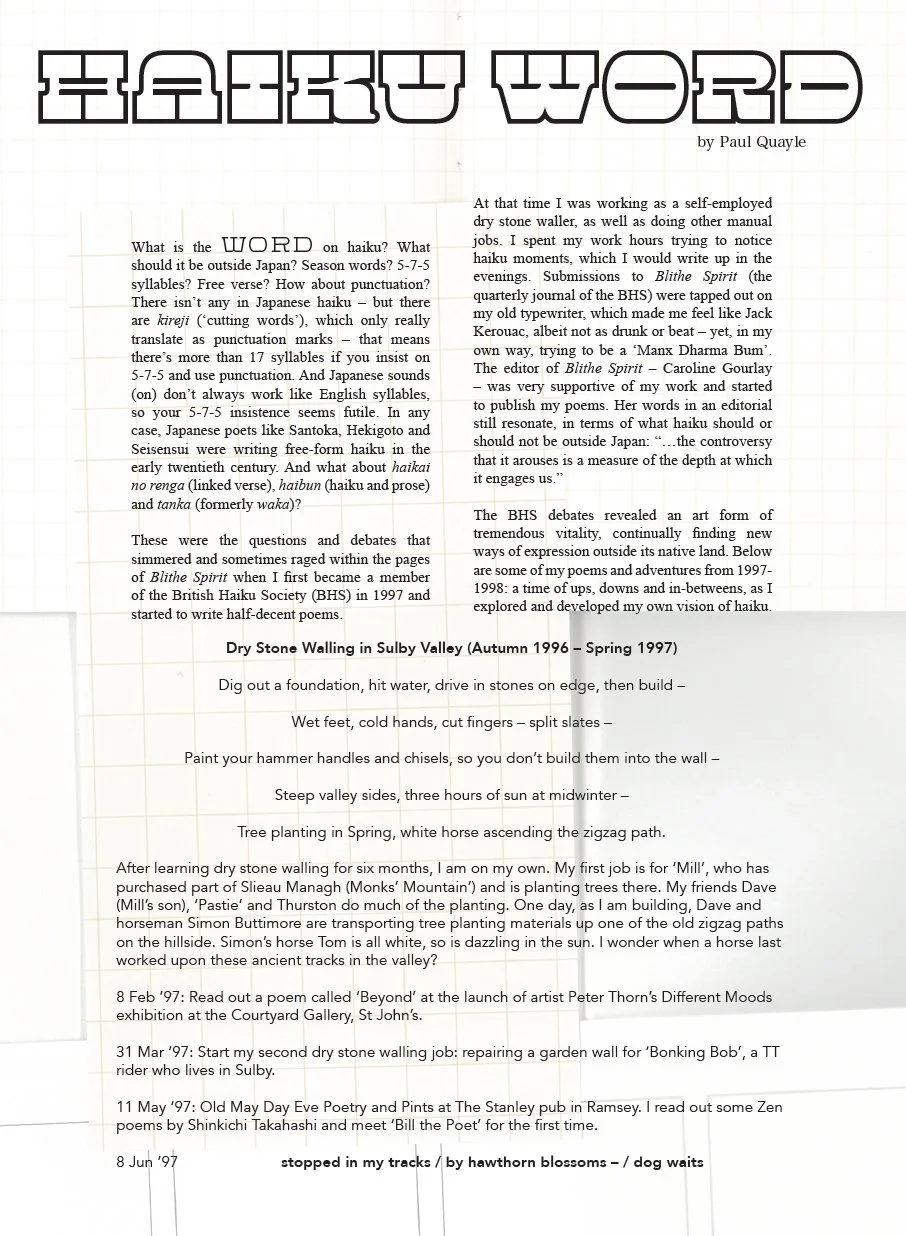
What is the WORD on haiku? What should it be outside Japan? Season words? 5-7-5 syllables? Free verse? How about punctuation? There isn’t any in Japanese haiku – but there are kireji (‘cutting words’), which only really translate as punctuation marks – that means there’s more than 17 syllables if you insist on 5-7-5 and use punctuation.
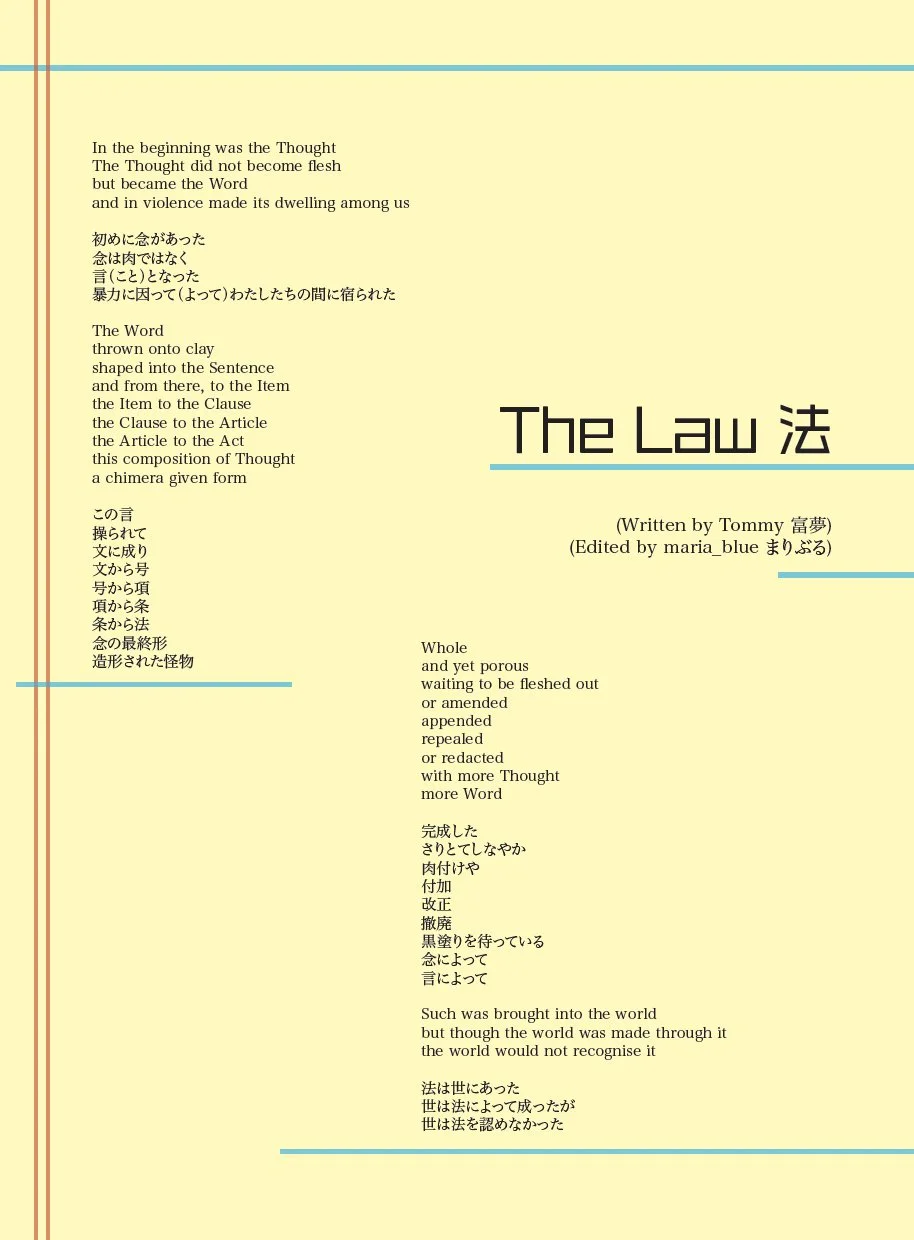
In the beginning was the Thought
The Thought did not become flesh
but became the Word
and in violence made its dwelling among us
初めに念があった
念は肉ではなく
言(こと)となった
暴力に因って(よって)わたしたちの間に宿られた
Back in the day, if you wanted a story to be distributed, you kinda had to tell it, with your mouth or your hands. Then however came the clay tablet; the scroll; the codex; the printing press; the paperback; the publishing house; the PDF. When it comes to the creation and dissemination of written material, what was under the purview of a literate few is now something the individual can achieve on their own with the right knowledge, software, and printer. Or the right notebook even. Whether bestseller or humble zine, the word that has emerged to handle this process, ‘publishing’, is an umbrella term of activities ranging from editing and design to printing and marketing. And it is also so much more.
Introduction to Creative Writing: Fiction
This week, try to write a confrontation story. As always, the story is due three days before the next class, so that your classmate can comment on them. Don’t comment using the documents’ Comments function, but use the footnotes section instead, so that they can be seen directly on the document. The stories are assigned randomly, so leave feedback on a story that you receive. Enjoy writing!
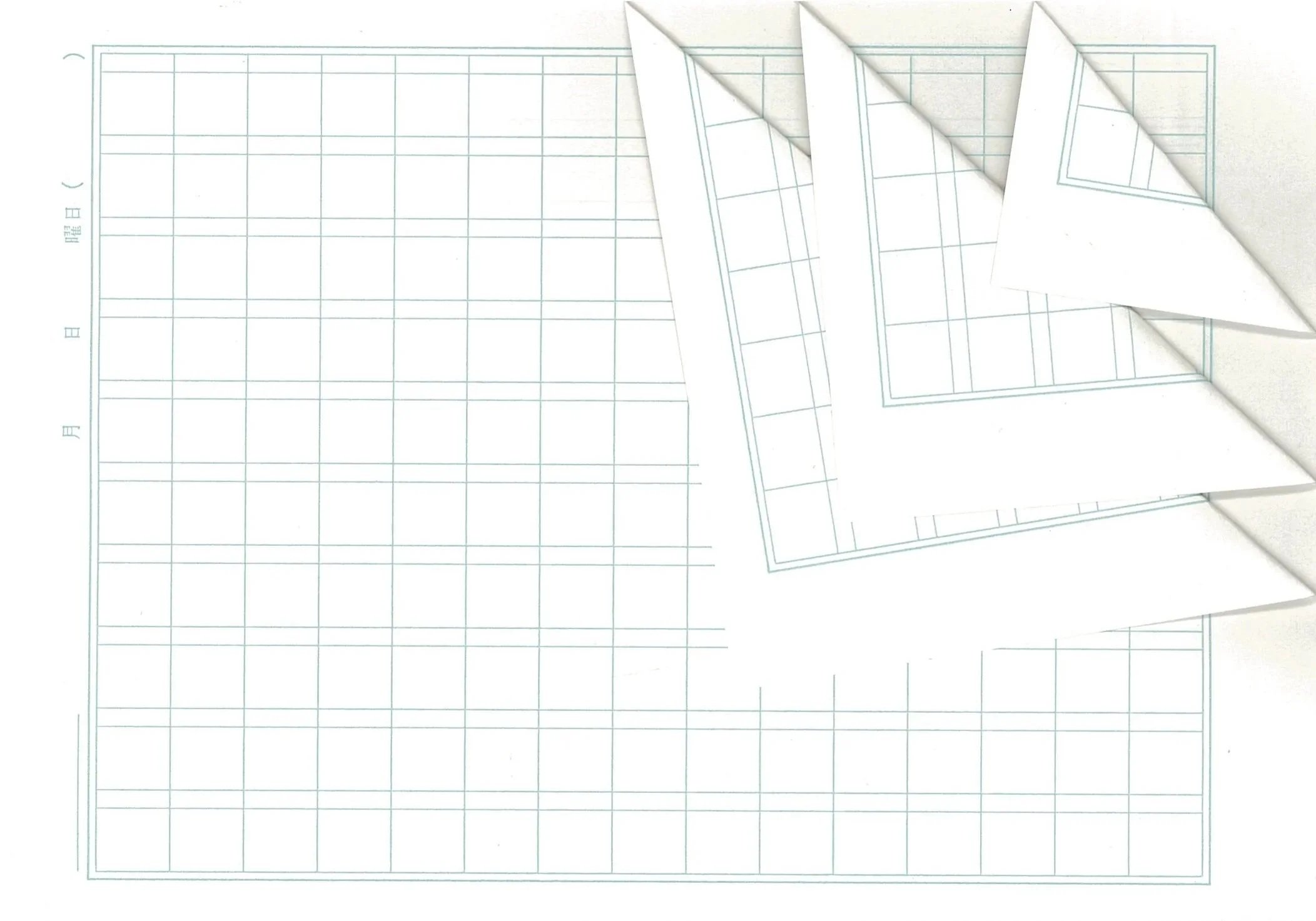
I pound my fists against the wall and a guttural scream rips from my core. My fingers splay out and scratch down the wall. A choked sob escapes me as I drag myself down—tears and flecks of drywall fall under my nails.
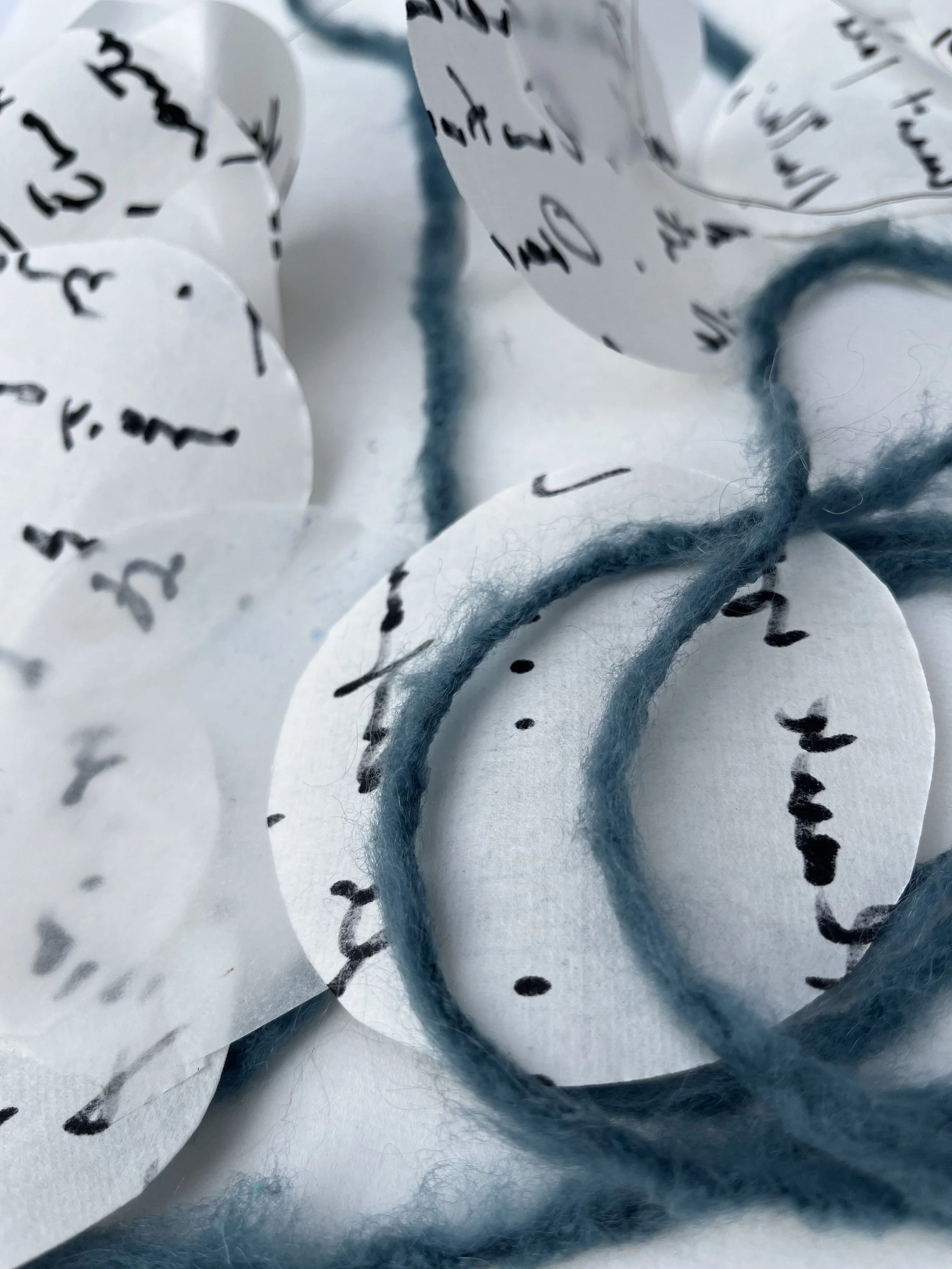
Mes mots sont sous tes yeux,
Ces mots sont sous tes mains.
Je peins les mots qui s’absentent,
Tu écris ce que je pense.
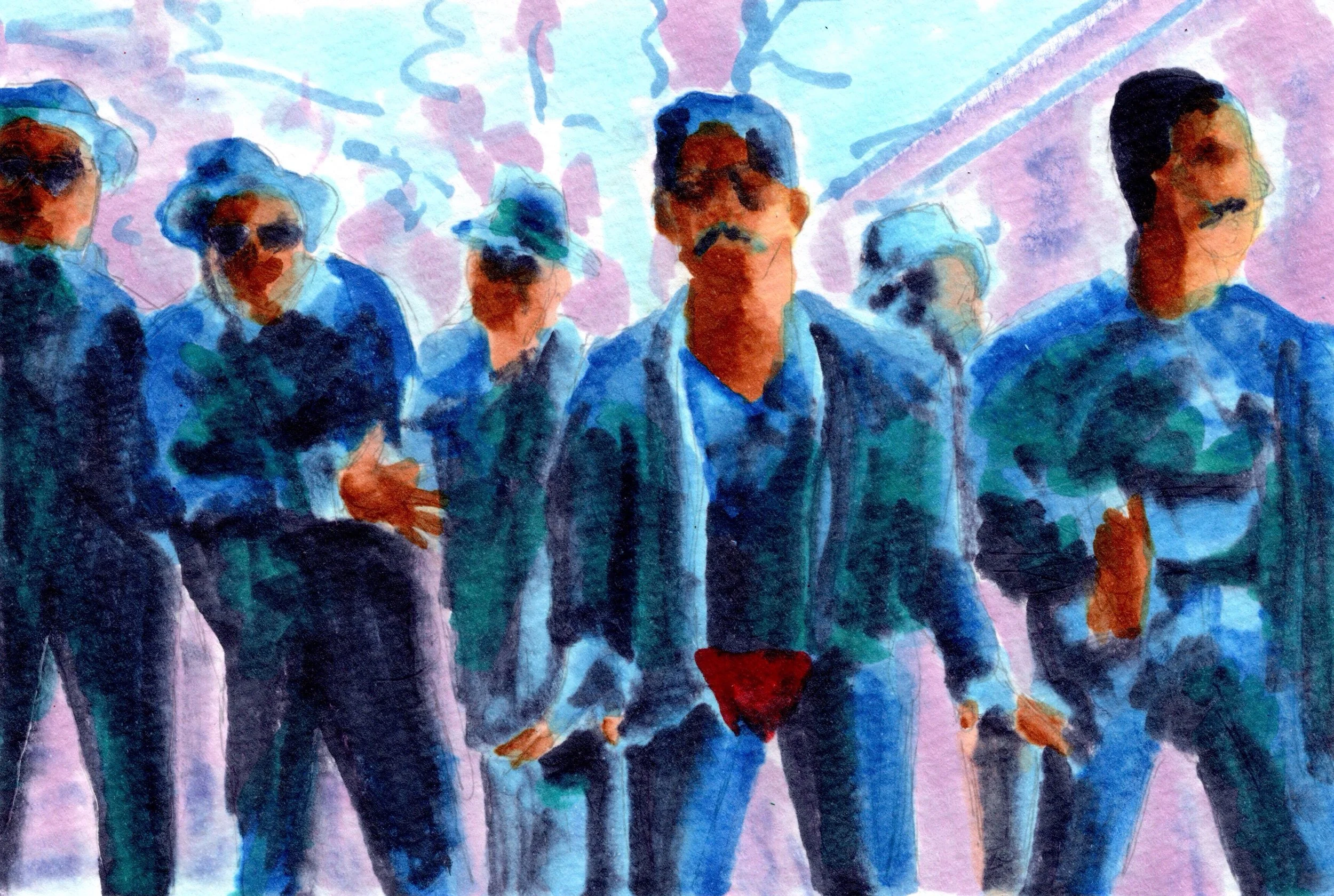
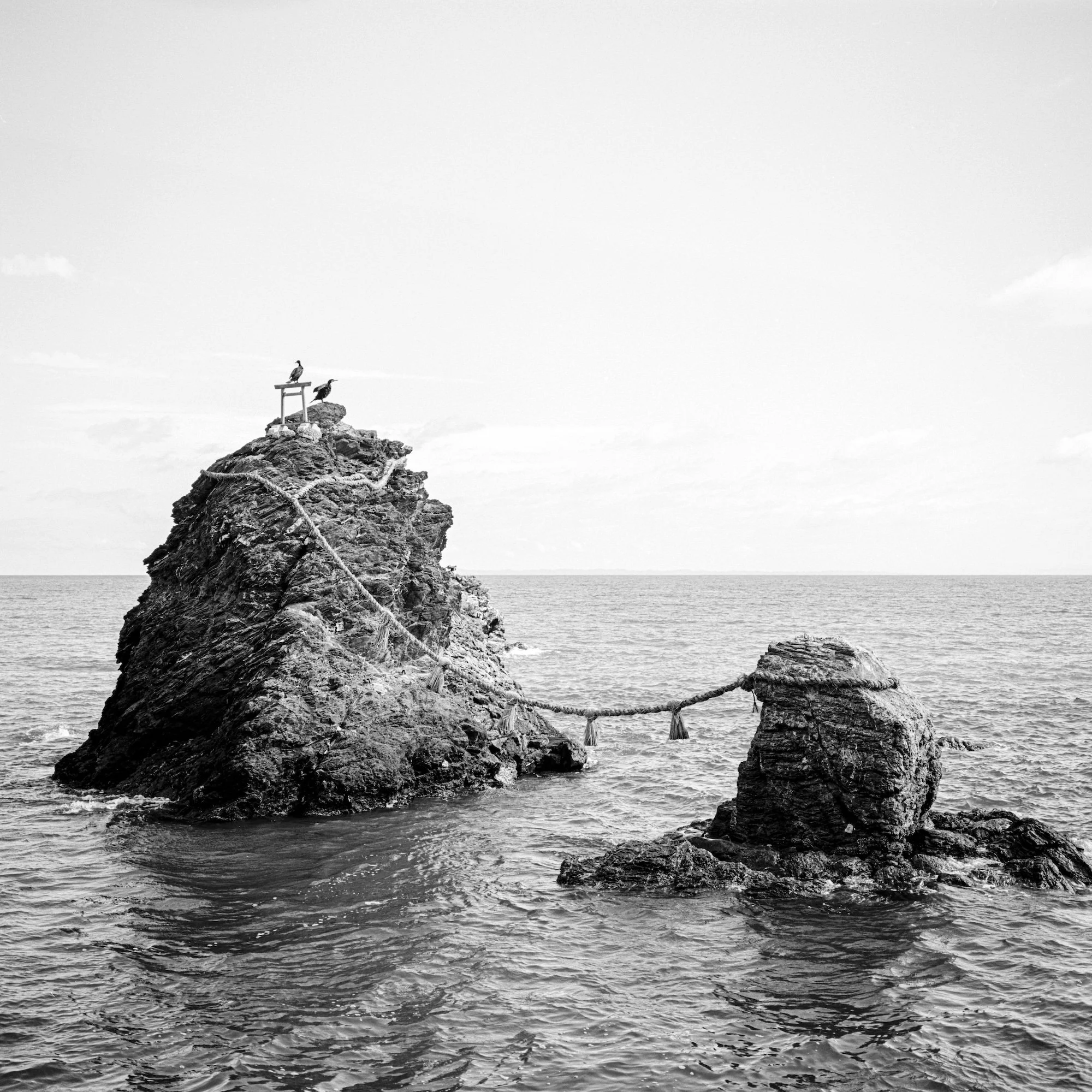
I am living here
perched above you.
Please love me,
though I am only a small sparrow
who dreamed of being a raven
who would quarrel with temple cats
but never win.
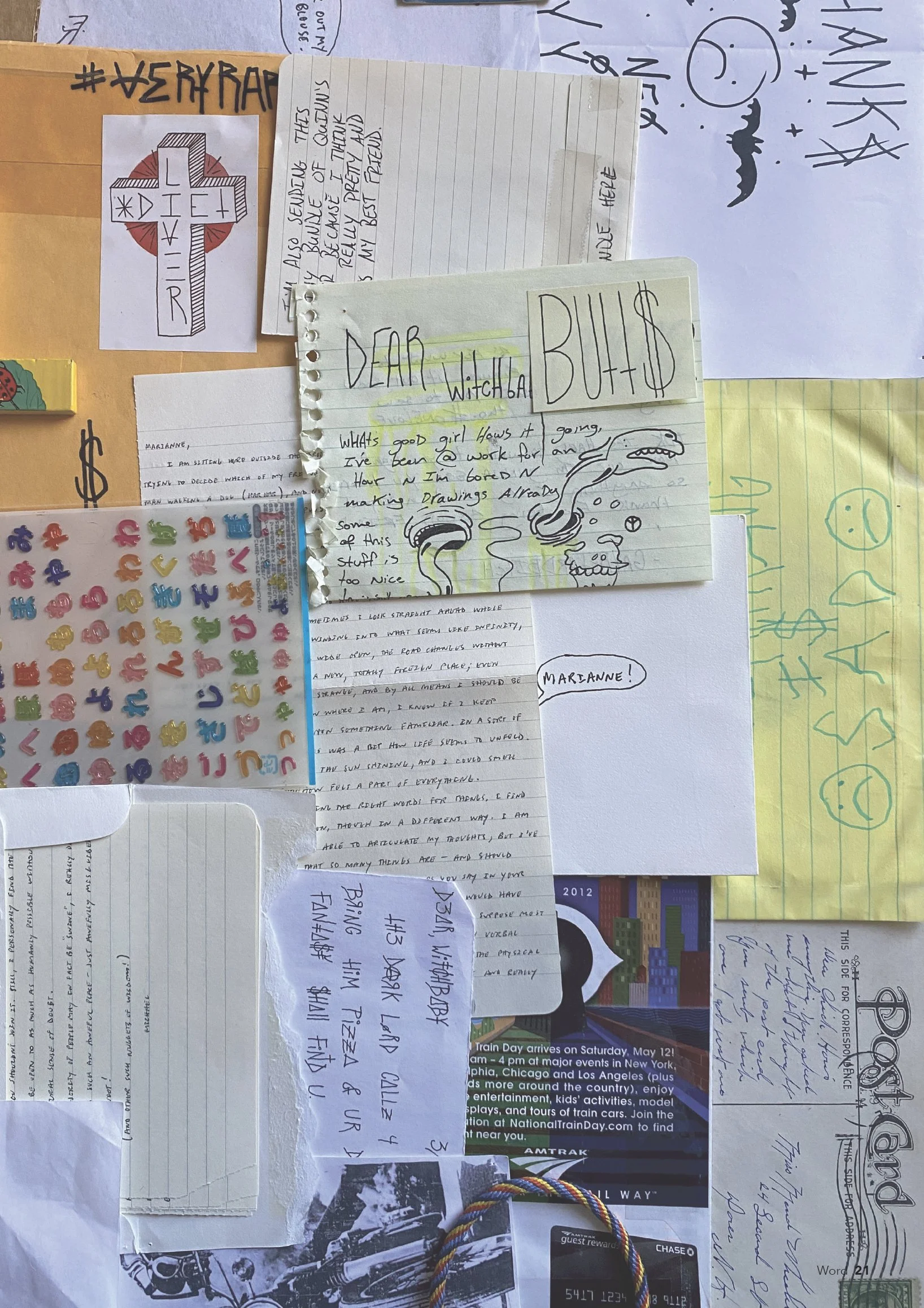
“I met someone,” she says, picking up the menu. My heart sinks. I watch as her eyes roam through the appetizers, silently trying to catch a feel of her. I wonder, for a moment, if she is waiting for me to ask the next obvious question. If she thinks I’m going to give her that luxury, she’s wrong. I pick up the menu as well. From the corner of my eye, I catch her stealing a glance at me for a brief second.
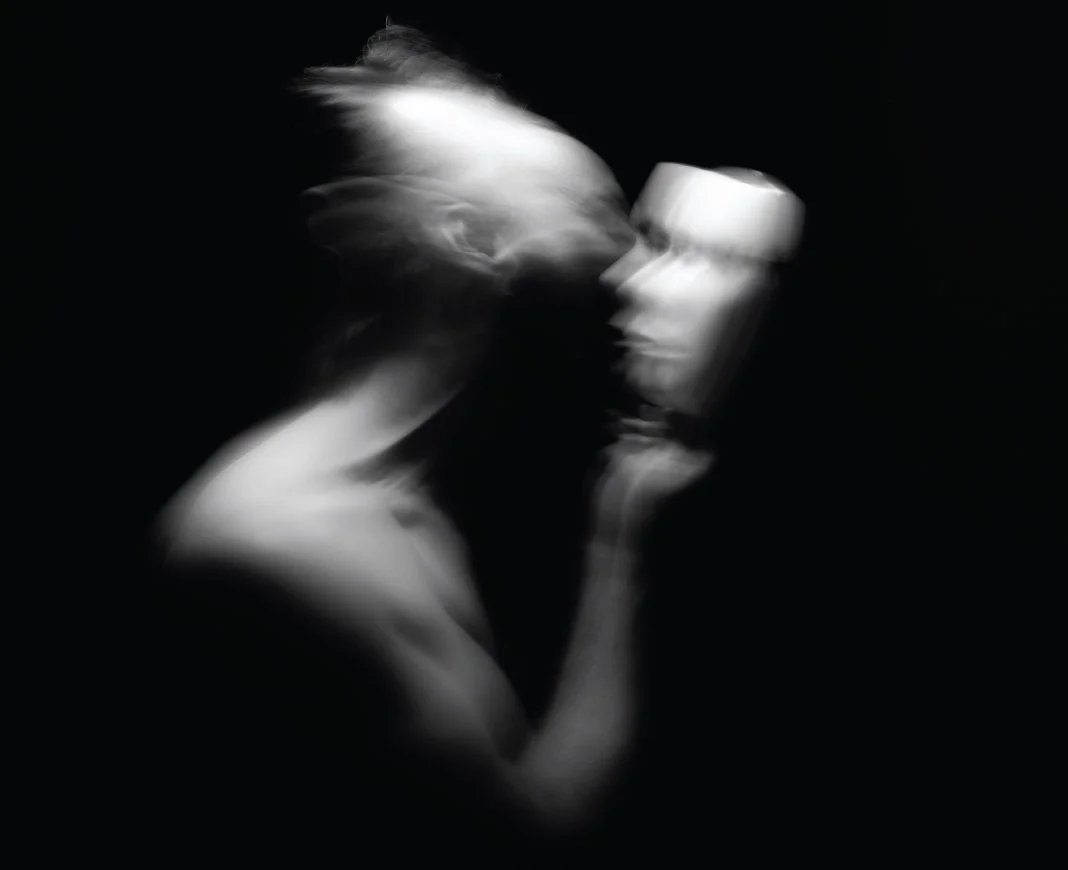
If light, or desire
Can truly be trapped
In mere layers of glass
I saw it in that reflection.
Drawn from a fire in Lhasa
Salvaged in the Bangkok rain
Catching a silent Kyoto winter moon.
A borrowed story louder than my own
I stared far beyond the person it reflected
And declared “This is not who I am
But who I shall be”.
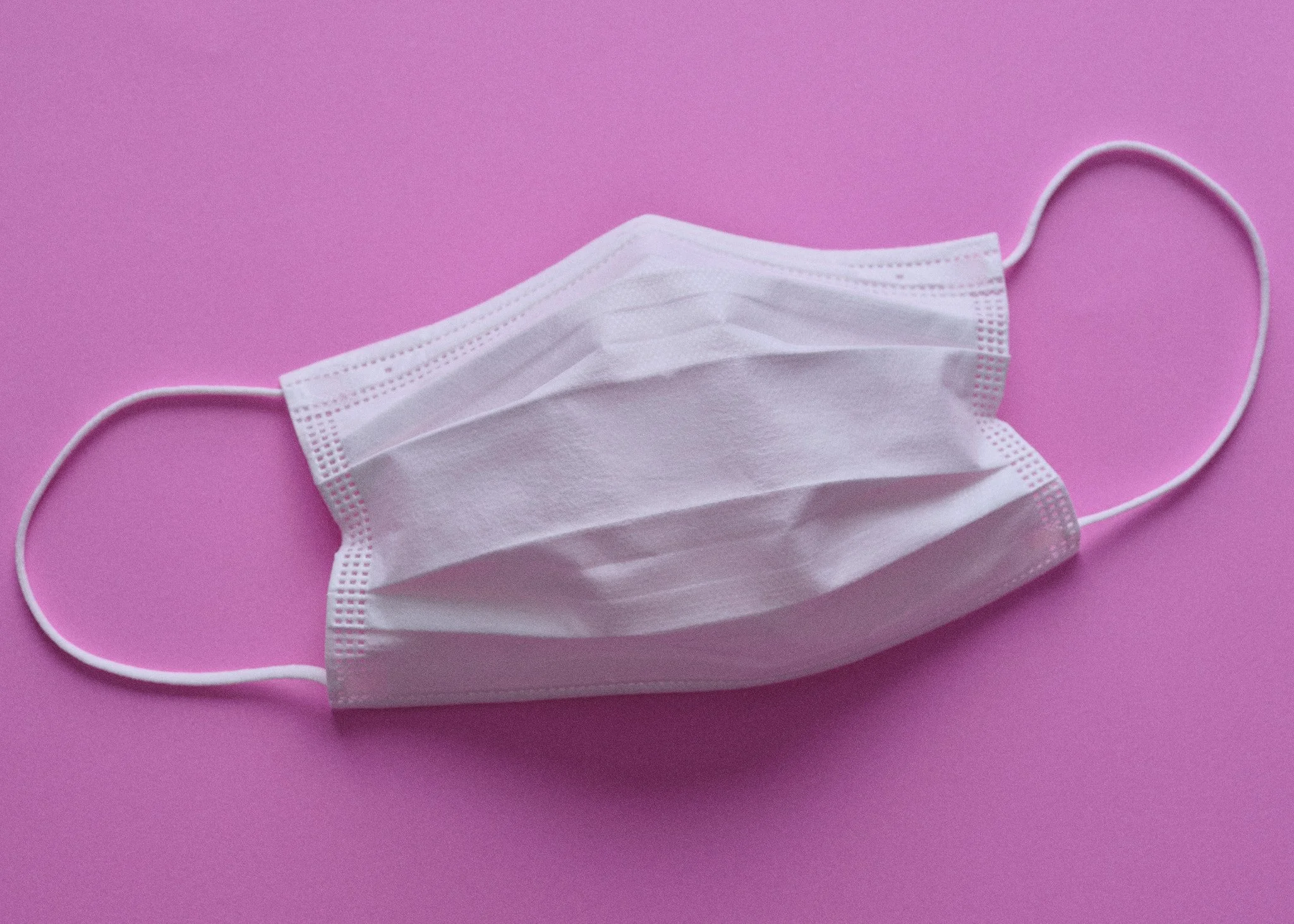
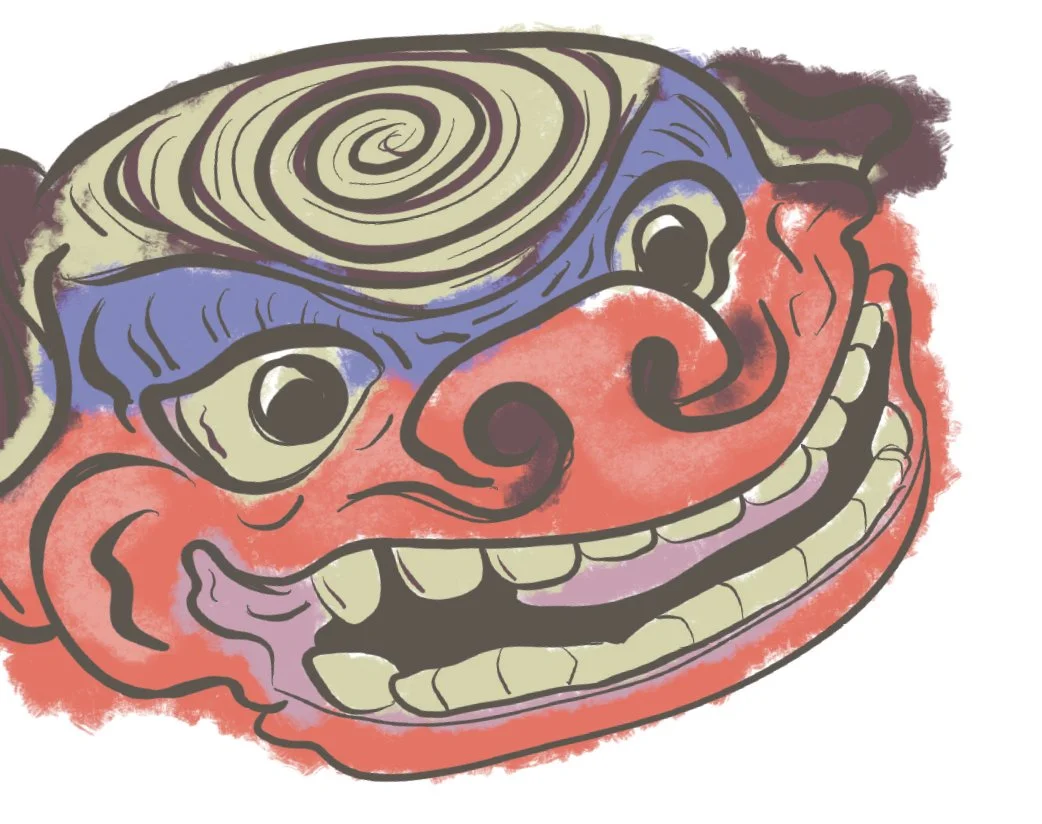
The tale of kuchisake-onna goes something like this: a beautiful woman wearing a surgical mask asks you: “Am I pretty?” If you say no, she kills you with scissors, sometimes with a large knife, or a katana; if you say yes, she takes off the mask, revealing her grossly disfigured mouth and asks again: “Even now?” If you say no, you die…shocking. If you say yes, however, that’s where things get interesting. Some say she kills you anyway because she knows you’re lying. Others say she slashes your mouth so you look just like her. There are ways to escape, however feasible they may be: throw candy at her, say “pomade” three times, confuse her by telling her she’s average then run, or simply say you don’t have time and in true Japanese spirit, she will apologize and let you go on your way.
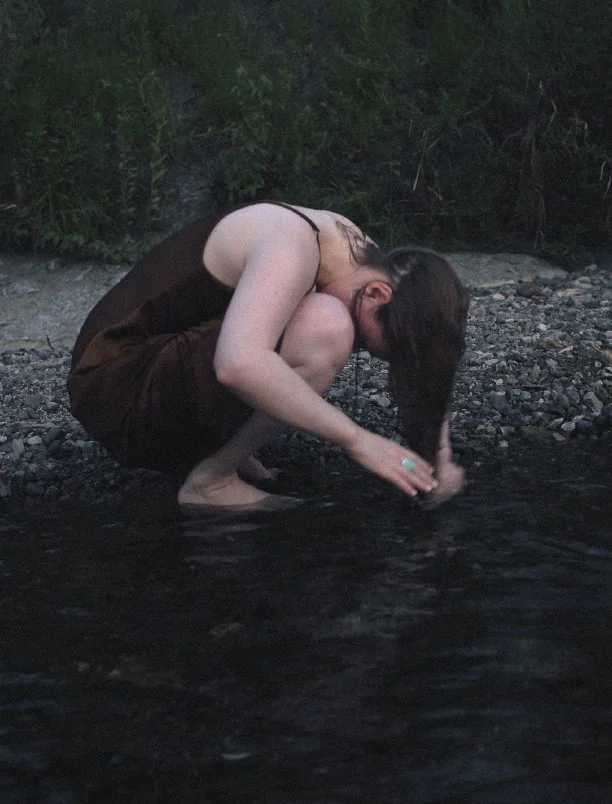
Morning has a weight before it has a colour.
I open the glass sliding door and Kyoto summer climbs onto my skin. I drink a glass of ice-cold water and it dresses my hands. The rim leaves a circle on the table and I press my palm into it. I already wear my summer mask.
On the street I carry the small sentences I can hold: ohayō, sumimasen, arigatō gozaimasu. Sometimes the grammar fogs and I bow a little too long. My cheeks bloom a little hotter.
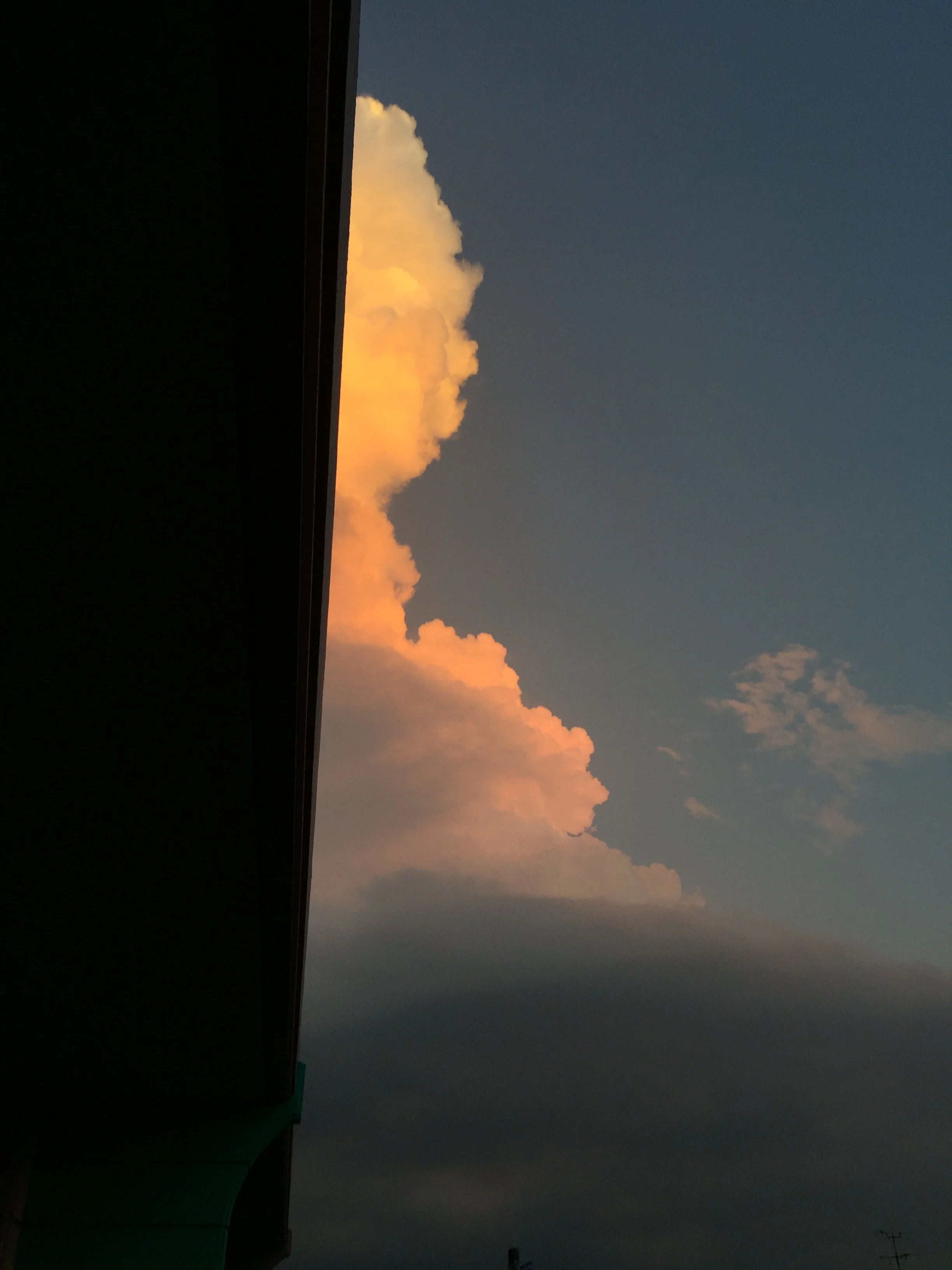
It was a hot day, nearly too hot, because my god, it was humid, and I was sick. That awful kind of sick where you aren’t so bad that you can’t get up and do things but so sick that every nerve is alight with fever-like sensitivity. I wanted to grind my fist into my head to stop the pounding, or just give up completely and turn tail.
A packed bar
Gorgeous young men
I grab my drink and take my seat
For a dating event,
noone’s talking
Let me just adjust my mask
The art.
You can’t take a picture of this, it’s already gone.
KN: I remember how it all started. In college, you did this project called Deadly Addiction, right? Most of your friends modeled for you, and you asked them to ‘look dead’ wearing glamorous outfits. It was quite a sight! How did you come up with that idea? Or how does one come up with ideas for projects like that?
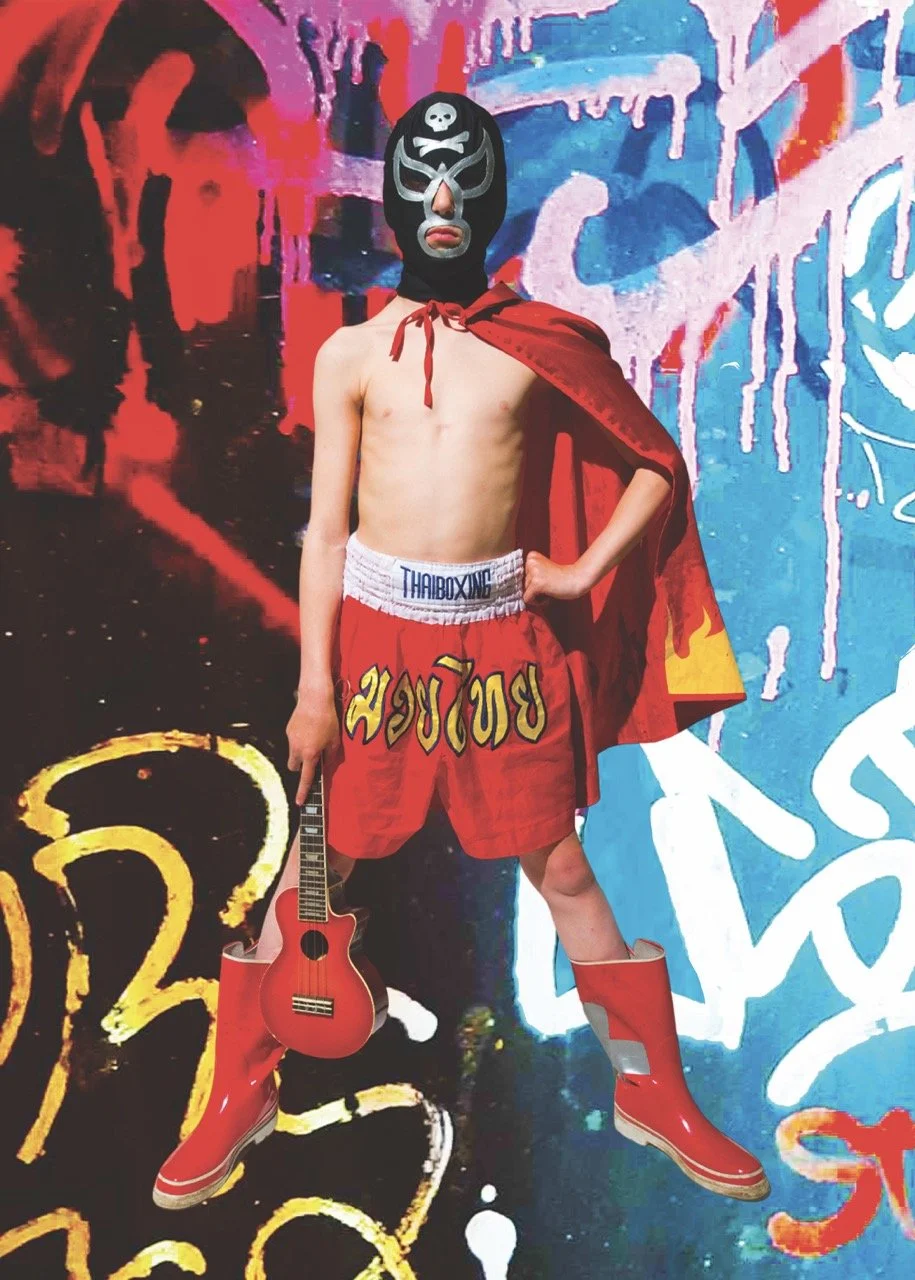
Kimono & Chibby wear Mexican wrestler masks. What's that about?
A lot of people ask me that actually. I could just say "it's a look isn't it?" But the look of the characters developed from live masked performances by the Amsterdam band The Doppelgangers. The live costume design started in quite a haphazard way with what was to hand, and was then honed over time. The original masks came from Harajuku, the wig was given to us by a drag queen, Kimono’s dress was from Waterlooplein market in Amsterdam.
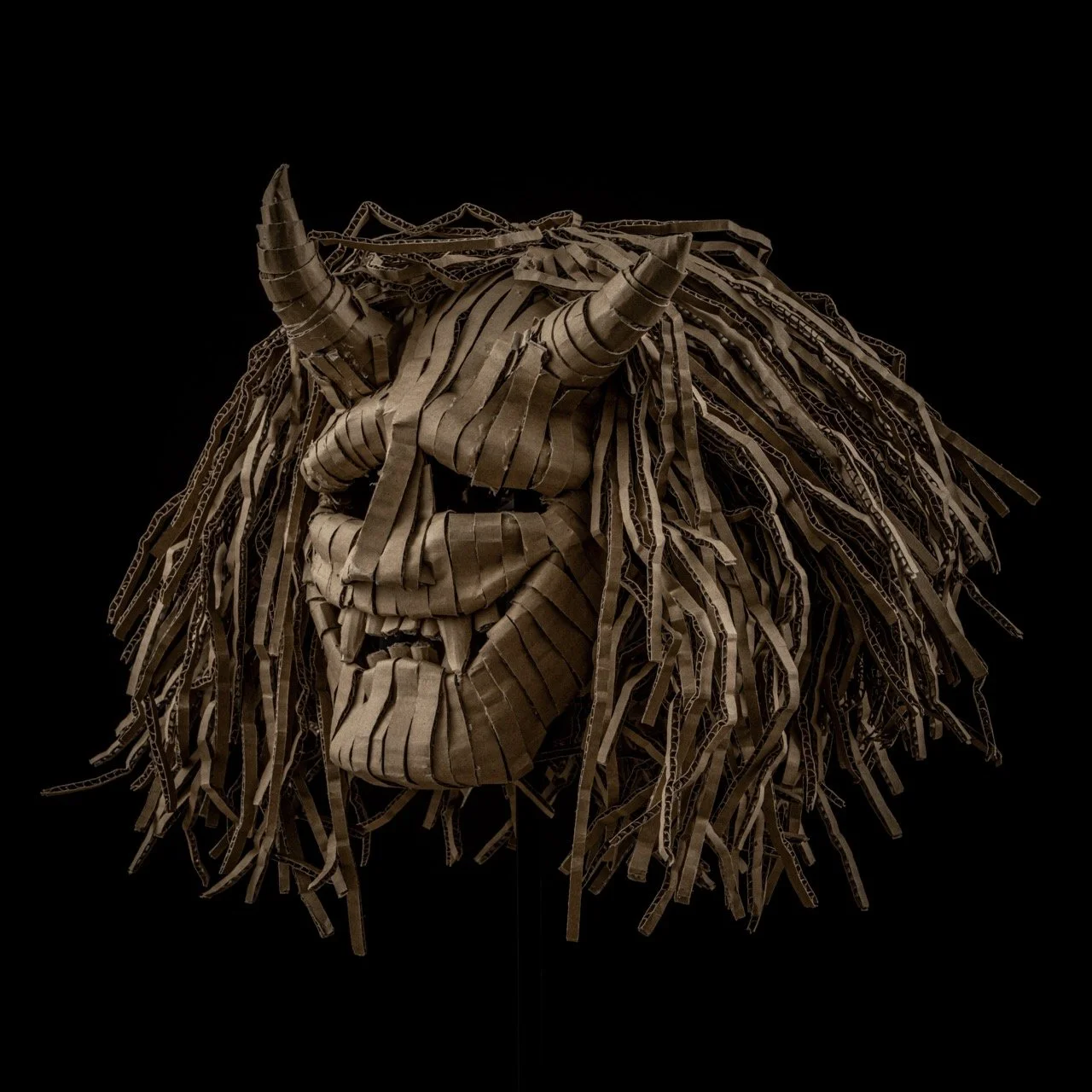
You cannot engage with Japanese culture without encountering some kind of mask. This goes beyond discussions of battling COVID and allergies; be it the 14th or the 21st century, masks are everywhere. Whether for theatre like Noh masks, rituals like fox masks, protective gear (防具) in Kendo, or for fighting the villain of the week as Ultraman does; the variations of masks are numerous, and the roles they hold diverse. Now, this East Asian archipelago has one more to add its collection: the Danbol Mask, styled from the Japanese word for cardboard (段ボール). And the man behind this? Yoshikazu Inoue (井上嘉和).
The fire had died down to embers and the wind shifted slightly, blowing the smoke westward out of camp. I shuffled my feet in the dirt as I looked up at the sky. Grandfather knew the names and histories of the stars; he used to tell their stories when I was still too young to understand. Father says he wishes he had listened to them, because now when he looks up to Grandfather’s ghost, he has no idea what it is trying to tell him. When I ask Grandmother if she knows, she smiles and hugs me; she doesn’t say much at all anymore. Mother says her ghost has already left to be with Grandfather, and when I ask what she means, she says that I need to wash the cooking pot and to please stop pestering her. It was a full moon, which meant it was bright enough that I didn’t need to keep the fire burning to see, but Mother says I should do it anyway, because the fire is all that separates us from the wild.
I'm nervous today.
Dishes rattle in the cupboard,
a glass breaks,
a plate chips.
I pick up the pieces
cut my hand
blood drips
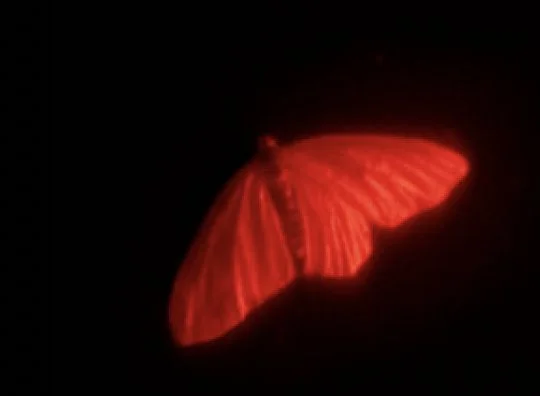
Colours represent only the tiny fraction of the light spectrum which is visible to humans. Beyond this range of light, we can for example find ultraviolet rays that tan our skin on the beach, or microwaves that warm up our bento in the kitchen. Infrared light is another such kind of light, named for its frequencies approximating the visible red light.
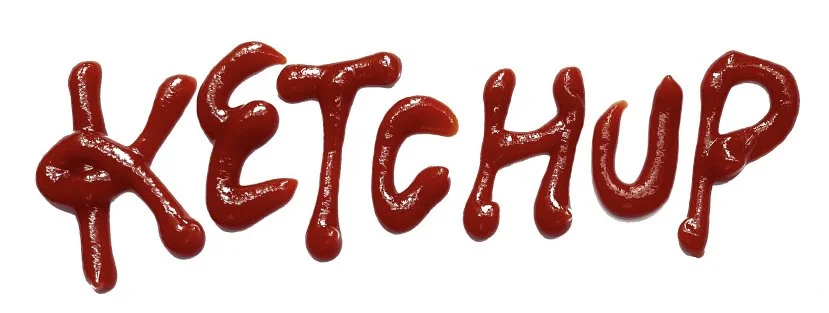
“You’re a lil’ squishy piece of shit aren’t you, all high and mighty wrapped up on your bourgeois packaging. I mean, what the hell do you even think is in here?”
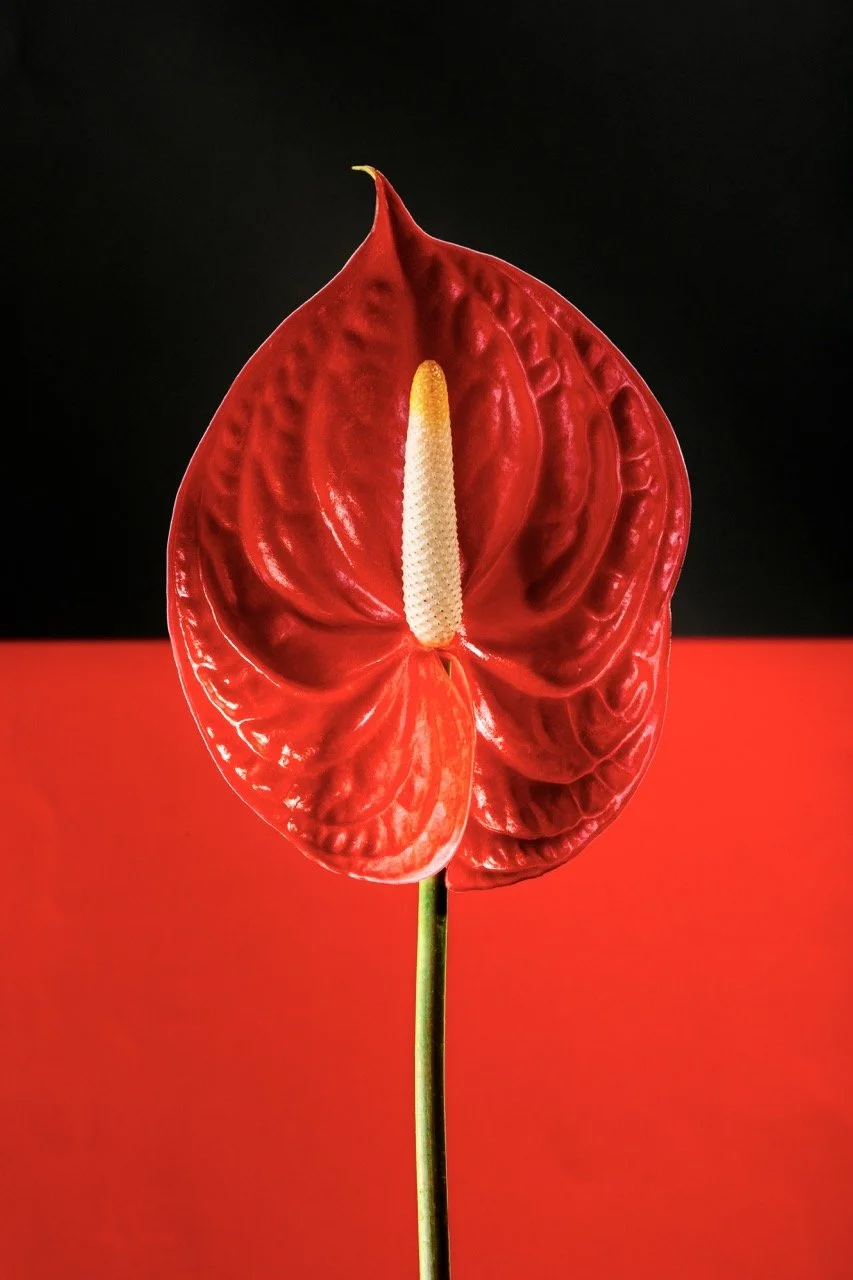
An earthquake took place one day. The earth had seen what was to come, and it trembled in terror. Had it but taken a slow, deep breath instead! We don't need all that excess to push us to evil.
ある日、地震が発生した。起きてくることが見えてしまって、震えた。すでに悪を抱える我々には、大きさはどうだってよい。
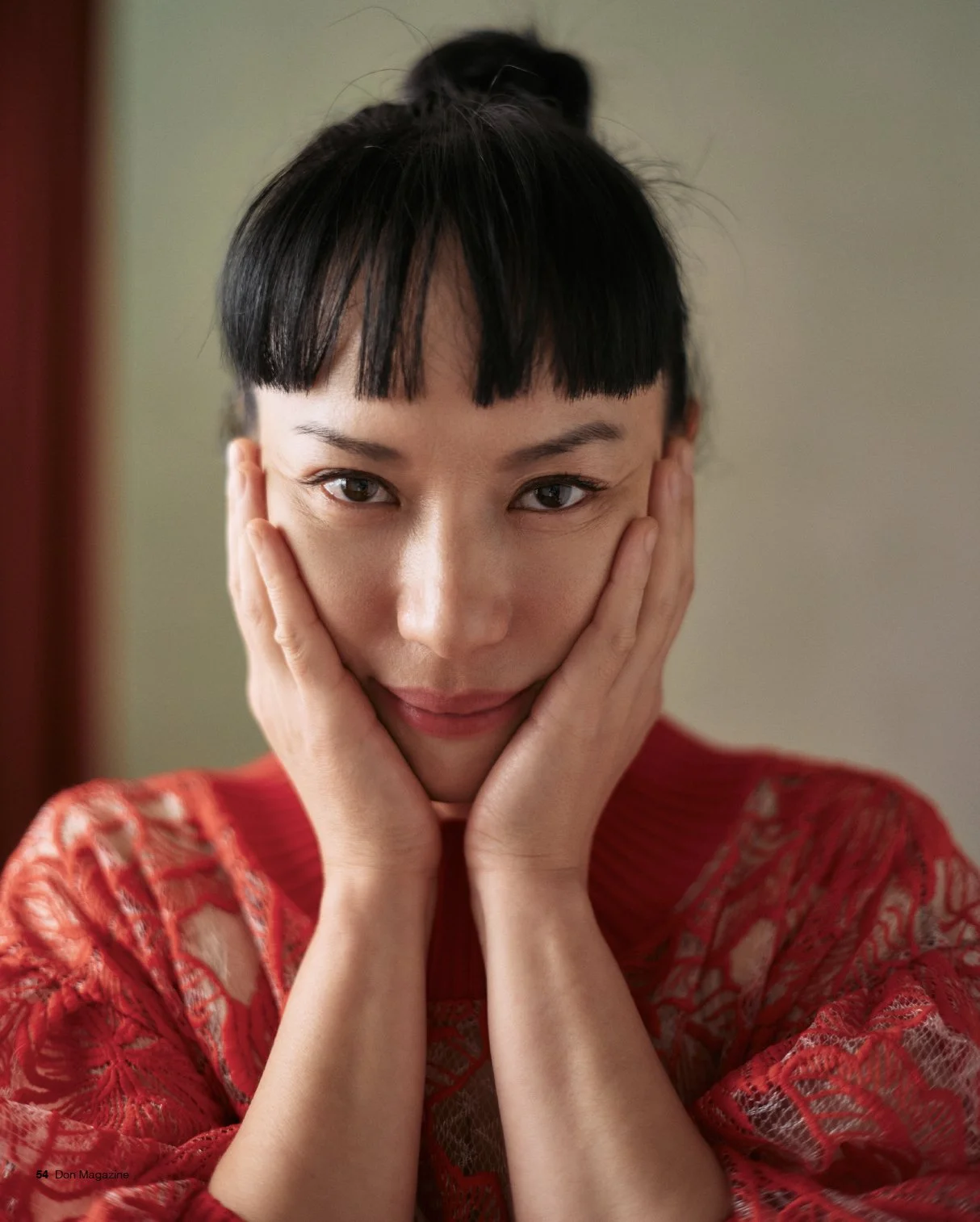
Ayu Okakita: born in Fukuoka, raised in Osaka, sculpted in the US and UK. While her music journey technically started in Japan, it was in the US on a high school exchange program that she found her voice, writing lyrics and putting vocal melodies to them to combat homesickness. “I love singing. [The voice is] a very raw instrument.” Raw is an understatement however. Since that time in Indiana, this instrument of hers has undergone growth and fine-tuning. As a result, her music style is surreal, ethereal, calming, heartbreaking.
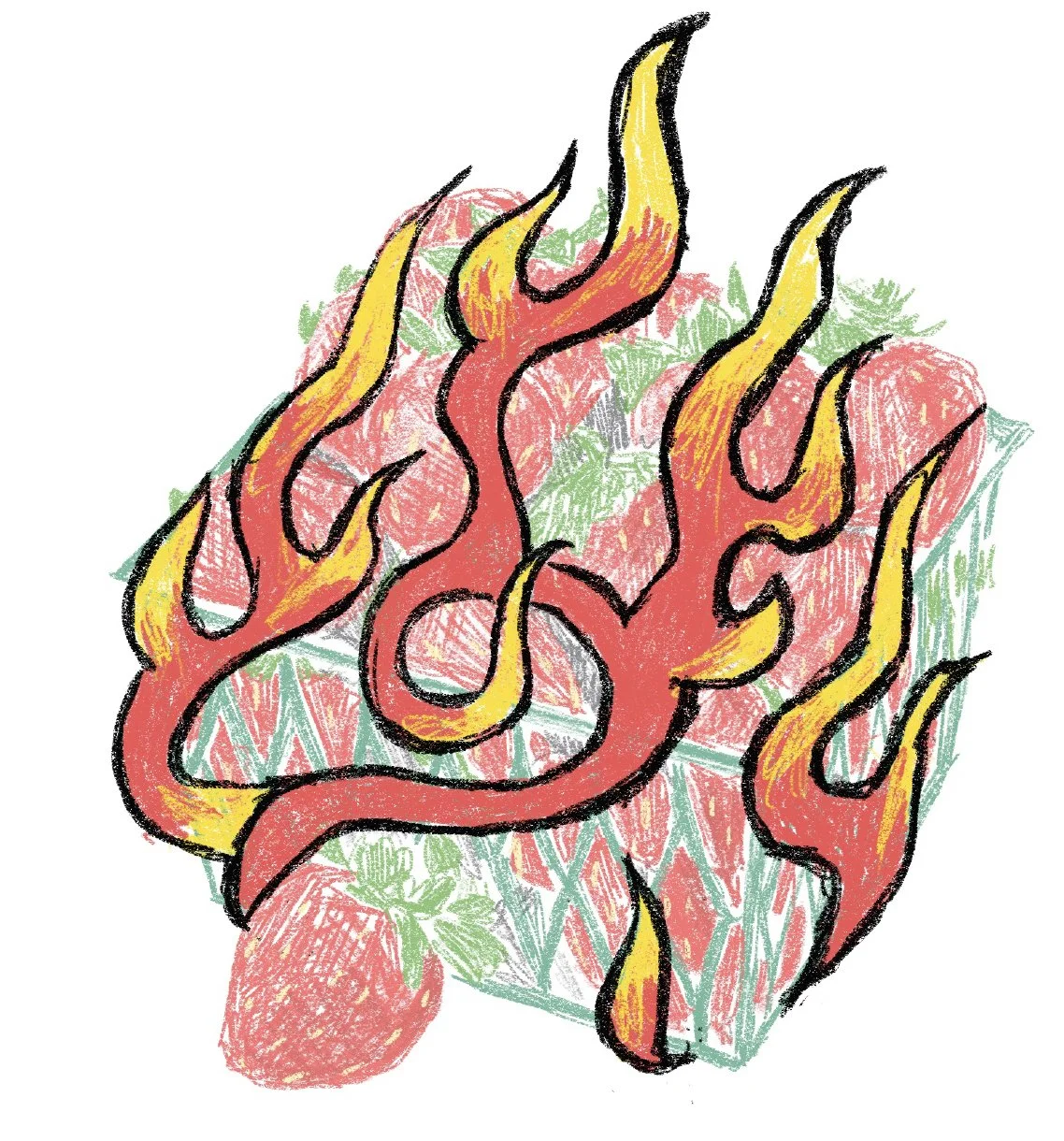
I wanted to burn down that strawberry stand
Walking back from a long workday of yoroshiku onegaishimasu, I halted—
21 meters away from my apartment
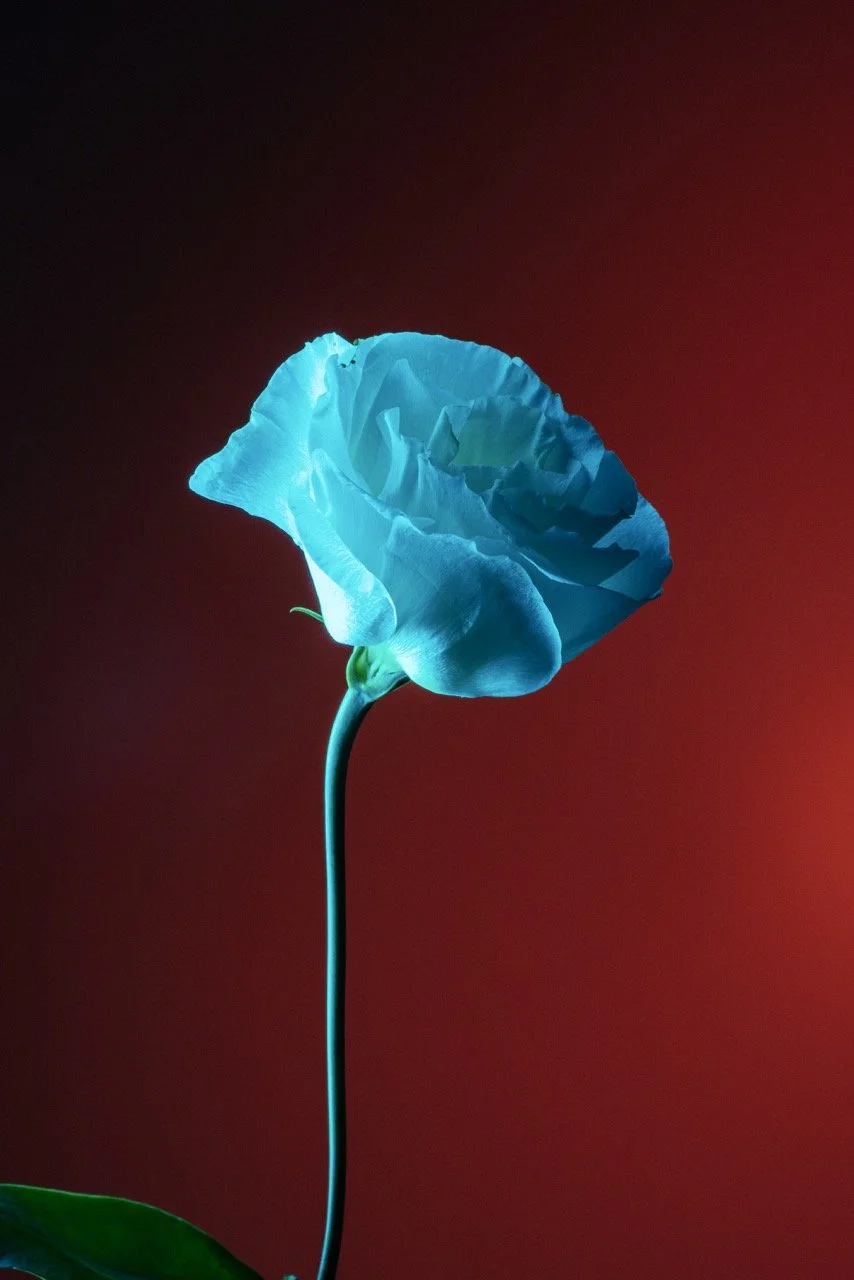
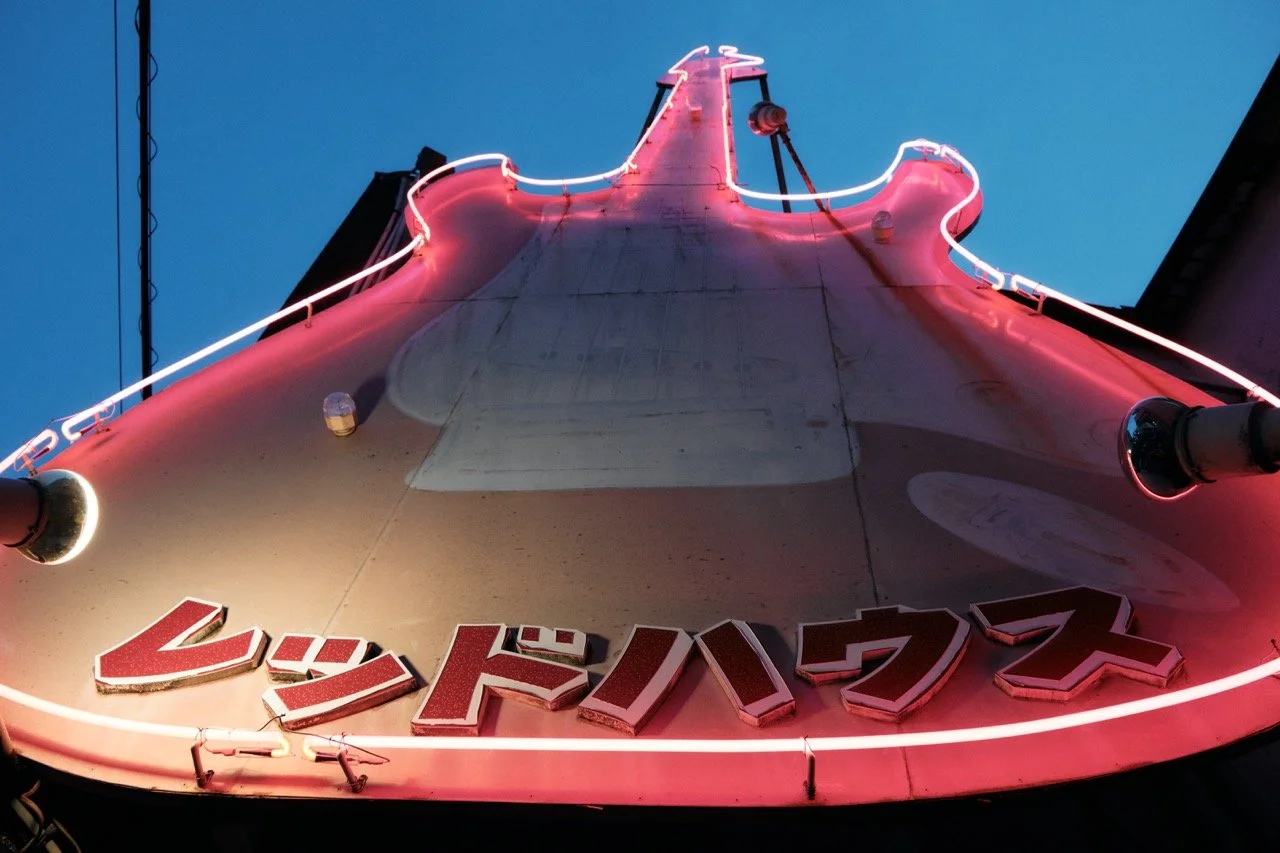
Alight at Sakaishi station, on the JR Hanwa line. Take the West Exit down the stairs and make a right. Walk past Mister Donut, up to the intersection, and cross the road on your left. See the giant red guitar before you? You have arrived at Red House.
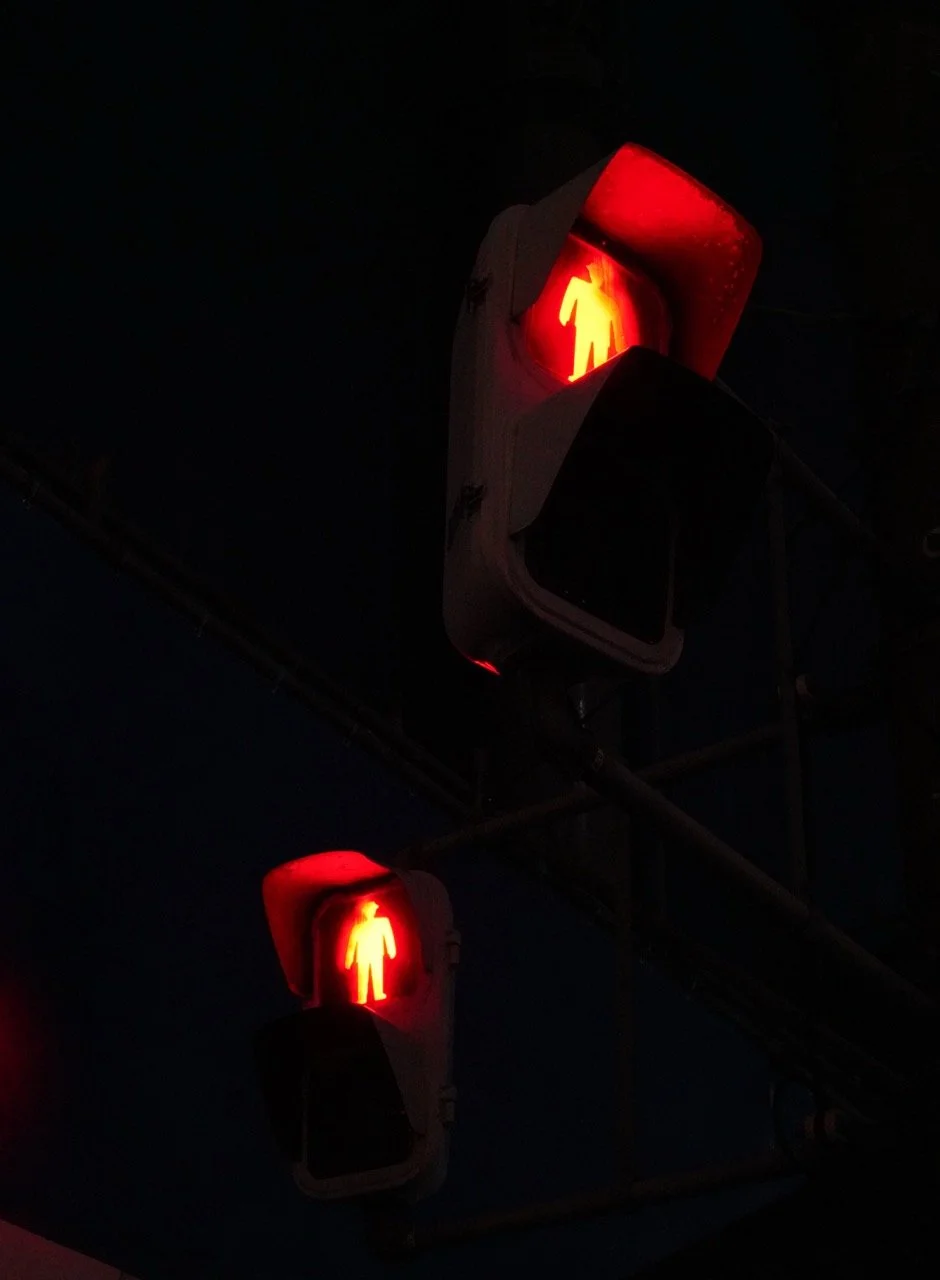
I soak up that feeling—
pooling black oil
stinging my fingertips.
it coerces me to stay:
a bit of black tar
in my lungs
feels safer
than a smokehouse
burning through every organ
if I leave.
In issue 14, “Intersections,” we discover where paths meet and diverge. Sometimes they cross in a fleeting moment; sometimes they run parallel for years before slipping apart. Intersections are where movement, memory, and meaning collide - those junctures that shape how we see ourselves and the wider world.
Magazines are expected to ship September 15th.